Dealing with supination, where the foot rolls outward during walking, can lead to discomfort and injuries. The right insoles provide targeted support to the heel, arch, and forefoot, helping to realign posture and reduce strain on knees and ankles. Below we review five well-regarded options available to UK shoppers, highlighting how they work, who they suit, and what to consider when choosing the best insoles for supination.
| Product | Brand | Key Feature | UK Sizing Insight |
|---|---|---|---|
| Slimflex Carbon Supination Orthotic Insoles | Slimflex | Rigid lateral control for outward foot roll and arch support | Adult sizes; designed for stability |
| Dr Foot Pro Supination Insoles (3/4 Length) | Dr Foot | 4° lateral heel and forefoot support for supination relief | UK 7-8 / US 8-9 |
| XINIFOOT Posture Correcting Orthotic Insoles | XINIFOOT | Pronation and supination support with flat feet alignment | One pair; EU 35-38 |
| QBK Supination Insoles | QBK | Orthotic arch support with cushioning for high-arch relief | All-round fit; trims easily |
| Feimuko Supination Insoles | Feimuko | Low-inside, high-outside corrective structure for leg alignment | UK 7-7.5 size range included |
Slimflex Supination Orthotics
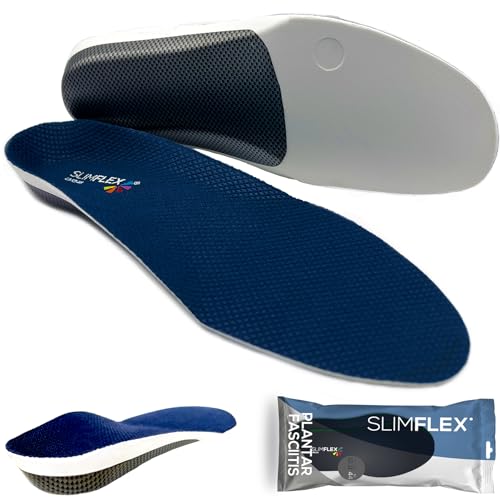
These Slimflex insoles are designed to deliver full lateral control, using a rigid thermoplastic rearfoot base to prevent outward foot rolling. The design focuses on stabilising the foot during gait, which can help manage issues commonly linked to supination such as ankle sprains and heel pain. As a 3D-biomechanical layout, the insoles provide stability without excessive bulk, making them suitable for daily wear in a range of casual to work shoes. The product emphasizes durable materials and a design that supports the natural rolling motion to reduce strain on the outer edge of the foot.
Key features include full lateral control to stop outward rolling and targeted arch support. While some users may experience a firmer step at first, the rigid build aims to improve long-term alignment. The insoles are offered in a 3/4 length, which can be convenient for footwear with tighter interiors. For those with high-activity days or those who require more precise lateral stabilization, Slimflex provides a credible option to reduce supination-related discomfort and related musculoskeletal stress.
Dr Foot Pro Supination Insoles
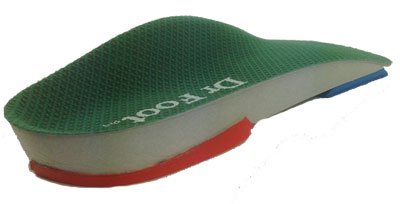
Dr Foot’s 3/4 length insoles offer 4-degree lateral support at both the heel and forefoot, with a focus on countering over supination. The 4-degree lateral adjustments aim to reduce outward roll, supporting a more stable foot strike. The 3/4 length design helps accommodate shoes with tighter interiors while still providing notable stabilization in the critical rear and middle sections of the foot. The construction prioritises consistent lateral guidance, which may be beneficial for people experiencing ankle inversion issues or plantar pressure shifts caused by supination.
The product is positioned as a practical option for daily use, with a balance between support and mobility. Users seeking to correct over supination without adopting full-length insoles could find these helpful for reducing foot fatigue and improving walking comfort across varied surfaces. As with all orthotics, transition periods may be required to adapt to the raised lateral support, especially for those with sensitive arches.
XINIFOOT Posture Correcting Insloes

XINIFOOT focuses on posture correction with a dual aim: provide supination and overpronation support to improve gait, while also addressing flat feet. The insoles claim to aid leg alignment, potentially benefiting bow legs or knock-knees scenarios by guiding the foot into a more neutral position. Enhanced arch support helps distribute pressure across the foot, which can reduce pressure hotspots and improve comfort over longer walks. This option is positioned for both men and women seeking a versatile orthotic for everyday wear and more complex alignment concerns.
Users should consider the potential for adjustability in support levels and how these insoles fit in various shoe types. The inclusion of both pronation and supination support means these insoles may work well for people with mixed gait issues or evolving symptoms. Proper fit and comfort often come down to the shoe width and volume; take time to test the insoles in different footwear to assess comfort and support consistency.
Hpmjz 3 Layers Adjustable Heel Wedge

Hpmjz offers a three-layer adjustable heel wedge set designed to address superseded pronation and supination. Adjustable layers allow height customization to tailor the correction to individual gait patterns, with an emphasis on supporting heel stability and aligning the foot beneath the ankle joint. The wedges are compatible with a variety of shoe types, and their modular design supports easy experimentation with different levels of support. The instruction notes suggest these insoles suit users seeking incremental adjustments rather than a fixed high-support solution.
The product highlights ergonomic heel support and a design that accommodates varied shoe styles. The ability to add or remove layers helps balance comfort and correction for long wear periods. While adjustable wedges can offer nuanced control, some users may need time to acclimate to the heightened heel angle, especially if transitioning from flat footwear. This option is suitable for people with leg alignment concerns seeking a gradual correction approach.
QBK Flat Foot Supination Insoles

QBK focuses on orthotic support for flat feet and high arches, addressing a range of conditions including overpronation and supination. With an arch-supported design and cushioning, these insoles aim to relieve common pain associated with plantar fasciitis, heel spurs, and metatarsalgia while offering relief for those who experience uneven loading across the foot. The insoles often feature a trim-to-fit capability, enabling users to tailor the length to their shoe size for a snug fit. Elastic gel pads add comfort and shock absorption to reduce fatigue during extended wear.
QBK’s emphasis on orthotic health, including U-shaped heel cups and flexible inner soles, makes them a versatile option for daily activities and athletic use. Users should pay attention to the fit in their footwear and consider pairing with socks that minimize friction. For best results, gradually break in the insoles to assess how the arch and heel support interact with individual gait patterns and footwear choices.
YMXWAN Supination Insoles

YMXWAN’s supination insoles are designed for bow legs and high arches, with moisture-wicking properties and a durable PU construction. The dual-pack provides options for different footwear and use cases, enabling users to compare fit and support across environments. With a focus on arch support and breathability, these insoles aim to maintain comfort over extended periods and activities such as walking or running. The material choice emphasizes durability and daily wear resilience, making them a practical option for ongoing supination correction and foot comfort.
Considerations for YMXWAN include ensuring adequate shoe depth and volume to prevent crowding the toes or creating tight spots. The moisture-wicking and breathable design helps reduce heat-related discomfort, appealing to those who wear insoles in warmer conditions or during exercise. As with all orthotics, a short adaptation period is typical, and users should monitor changes in foot fatigue and alignment to determine ongoing use.
Buying Guide: Key Considerations For Supination Insoles
- Foot mechanics and goals: Identify whether you primarily experience supination, overpronation, or a mix. Choose insoles with targeted lateral support for supination and adequate arch support to distribute pressure evenly.
- Insole length and shoe fit: 3/4 length insoles fit well in tighter shoes, while full-length options may provide more stability in roomy footwear. Ensure your shoes have enough depth to accommodate any added height from the insole.
- Arch support level: Look for a design that supports your arch without causing excessive rigidity. A balance between rigidity and comfort helps maintain natural gait while reducing ankle strain.
- Materials and ventilation: PU and carbon composites offer durability and breathability. Moisture-wicking properties can improve comfort during long wear.
- Adjustability: Some insoles feature wedges, layered corrections, or trim-to-fit options. These allow you to tailor support to your evolving gait and footwear.
- Durability and maintenance: Consider how easy it is to clean and how long the insoles retain their corrective shape. Replacements may be needed as support degrades.
- Activity level: For high-activity use, choose insoles designed for ongoing stability and shock absorption. Casual wearers may prioritise comfort and fit.
- Medical considerations: If you have persistent pain or a diagnosed condition (eg. plantar fasciitis or knee pain), consult a clinician to ensure insoles are appropriate and won’t exacerbate issues.