Finding the right support can reduce heel pain and improve comfort during runs. This guide highlights five highly-rated running insoles and heel supports available on Amazon UK, chosen for their shock absorption, arch support, and comfort features. Each picks targets common causes of heel pain, such as plantar fasciitis, overpronation, and high arches. Read on to compare how these options help protect your feet on long runs and daily training.
| Product | Best For | Key Benefit |
|---|---|---|
| Enertor Ultimate Running Insoles | Runners with plantar pain | PX1 shock absorption, met pad arch support |
| iFitna Arch Support Insoles | Flat feet, overpronation | Dual layer cushioning, breathable fabric |
| VALSOLE Orthotic Insole | Metatarsalgia & heel pain | Three-point mechanical design, deep heel cradle |
| VivoFoot Memory Foam Insoles | All-day comfort | Memory foam, cloud-like cushioning |
| Dr. Scholl’s Run Shock Absorbing Insoles | Runner’s knee & shin splints | Three-zone shock absorption, reinforced arch support |
Each product below includes a concise overview of features and how they help alleviate heel discomfort, along with usage tips and considerations for selecting the right size and fit. The focus remains on practical, evidence-based benefits to help UK runners choose confidently.
Enertor Running Insoles With PX1 Technology

Enertor’s Ultimate Running Insoles are designed with runners in mind. The PX1 technology provides exceptional shock absorption, claimed to exceed leading competitors by up to 89%. This reduction in impact supports the heel, knee, and hip joints, which is particularly beneficial for those with plantar fascia discomfort or shin pain. The insoles are thinner, lighter, and softer, offering good energy return from heel to toe. An anatomical ‘Met Pad’ distributes load across the forefoot, while cushioned arch support helps stabilise the foot during propulsion. Suitable for running, gym sessions, and HIIT, these insoles aim to maintain performance while managing heel pain.
Usage notes: check the fit in your typical running shoes and ensure there’s enough depth for full sole integration. If used with other insoles, the overall thickness may be uncomfortable. Start with shorter sessions to acclimatise to the added support and gradual arch engagement.
iFitna Plantar Fasciitis Arch Support Insole
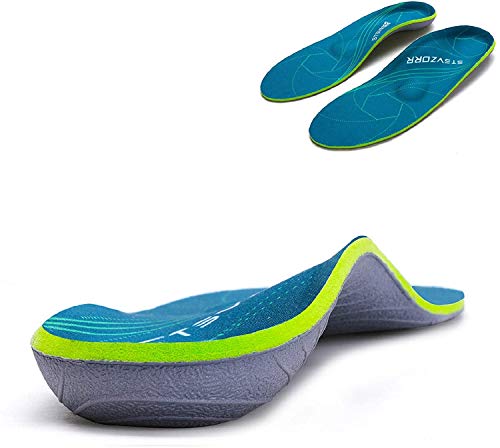
This orthotic insole focuses on arch support and cushioning with dual-layer EVA foam and PU. The design targets high-pressure areas, providing controlled cushioning for running, jumping, and other activities. Breathable fabric helps feet stay cool and dry through long runs or workouts, supporting heat management for heel pain sufferers. The product notes caution about using new insoles alongside existing ones due to thickness, urging acclimatisation to the arch support. The combination of soft cushioning and structural support makes it a sensible option for those with plantar fascia involvement or mild overpronation.
VALsole Orthotic Insole For Heel Pain
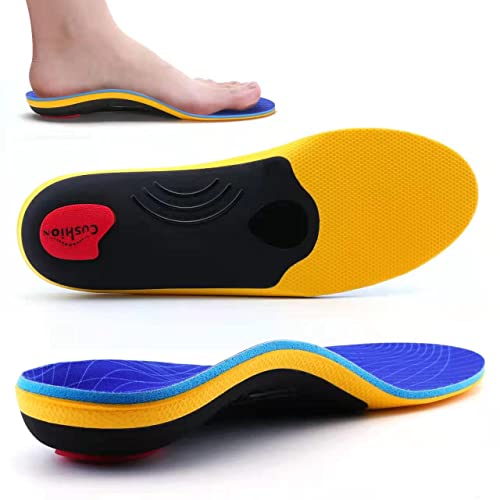
VALsole offers an arch-supportive insole designed to assist those dealing with plantar fasciitis, overpronation, and metatarsalgia. The cork outer material provides a natural level of rigidity to support the arch while maintaining some flexibility. A three-point mechanical design—deep heel cup, strong arch support, and metatarsal relief—helps stabilise the foot and distribute load more evenly, which can reduce heel strain during walking or running. The deep heel cradle enhances stability, contributing to improved alignment and reduced pressure on the heel area. This insole is suitable for both everyday wear and athletic activities.
VivoFoot Memory Foam Insoles For Everyday Comfort

VivoFoot memory foam insoles prioritise comfort and daily wearability. Made from high-elastic PU, they combine softness with durability to absorb shock and cushion the heel and joints. An anti-odor design with ventilation holes and mesh fabric helps feet stay fresh during long days of activity. An ergonomic U-shaped heel cup accommodates the natural curve of the heel, reducing slippage and improving stability. These insoles are trimmed to fit, making them suitable for a wide range of shoe types—from trainers to casual footwear—while helping to alleviate everyday heel discomfort.
Dr. Scholl’s Run Shock Absorbing Insole
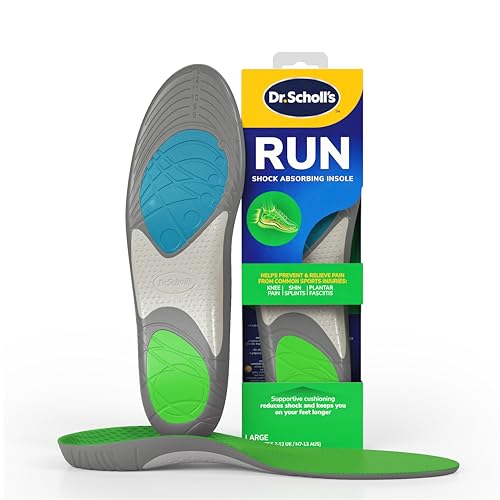
Dr. Scholl’s Run Shock Absorbing Insoles are designed to relieve common running injuries such as runner’s knee, shin splints, and plantar fasciitis. The three-zone heel-to-toe design absorbs impact at each step, while a reinforced arch support improves weight transition from landing to push-off. This combination aims to reduce fatigue and pain during longer sessions or high-impact activities. The insoles are marketed for runners and those engaged in arch-support needs, offering a practical, widely available option for heel pain relief. Proper sizing and fit within athletic footwear are essential for optimal performance.
Buying Guide: Key Considerations For Heel Pain Insoles
When selecting insoles, consider the following factors to better address heel pain:
- Foot Type: Pronation (inward roll), arch height, and heel cup depth influence insole choice. Deep heel cups help stabilise the heel, while higher arches may benefit from firmer arch support.
- Shock Absorption: Insoles with dedicated shock-absorbing materials or technology reduce impact forces, potentially easing plantar fascia and heel pain during runs.
- Material and Breathability: Breathable fabrics and moisture management reduce heat and sweat, supporting foot comfort and reducing irritation during longer sessions.
- Compatibility: Check shoe volume and insoles’ thickness. Some runners may need to remove existing insoles before adding a new one to avoid excessive bulk.
- Adjustability: Trim-to-fit designs offer flexibility to customize the insole length and arch support to match shoe size and foot shape.
- Usage Context: Consider whether you need insoles for daily wear, light training, or high-mileage running. Some insoles perform better in sports-specific footwear.
- All-Day Comfort vs Targeted Support: Memory foam and cushioned insoles prioritise comfort, whereas orthotic designs emphasise arch support and load distribution.
For UK runners, selecting the right insoles involves balancing cushioning with structural support. Those with plantar fasciitis may prioritise arch reinforcement and heel cups, while overpronators might benefit from three-point mechanical designs and deeper heel cups. Start with shorter wear times to gauge fit and tolerance, then gradually extend usage as comfort improves. If heel pain persists, consulting a podiatrist or physician is advisable to rule out underlying conditions requiring medical intervention.