Choosing running shoes that protect the knees involves prioritising cushioning, stability, and proper arch support. The following selections are geared towards reducing impact, supporting natural motion, and improving comfort during runs. Read on for product-focused sections and a buying guide to help you compare options.
| Product | Brand | Key Benefit | URL |
|---|---|---|---|
| Under Armour Surge 4 Running Shoes | Under Armour | Breathable support with enhanced ankle cushioning | Link |
| Under Armour Charged Assert 10 | Under Armour | Lightweight comfort with responsive cushioning | Link |
| Brooks Adrenaline GTS 24 | Brooks | Holistic support with guided cushions | Link |
| Under Armour Charged Speed Swift | Under Armour | Breathable, cushioned for endurance runs | Link |
| Nike Revolution 8 | NIKE | Comfortable daily trainer with versatile support | Link |
Surge 4 Comfort And Support
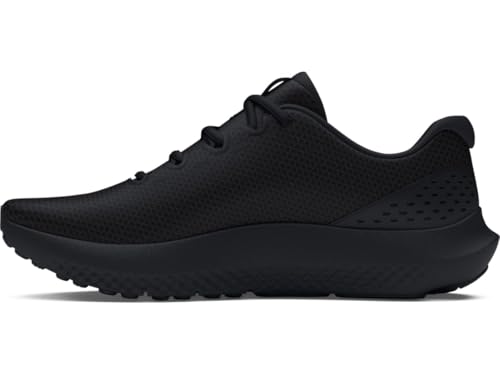
The Under Armour Surge 4 prioritises a breathable mesh upper with synthetic overlays to provide structure while maintaining flexibility. An enhanced cushioning around the ankle collar contributes to all-day comfort, which can help reduce fatigue on longer runs that stress the knees. The Deluxe comfort system sockliner molds to the foot for a secure, step-in feel, supporting a natural gait without added bulk. These features collectively aim to cushion impact and stabilise the foot during common running patterns.
Assert 10: Lightweight Cushioning

Under Armour Charged Assert 10 offers a lightweight, breathable mesh upper with synthetic overlays for durability and support. The EVA sockliner provides soft, immediate comfort, while the Charged cushioning midsole uses compression molded foam designed for responsiveness and durability. This combination supports knee joints by maintaining energy return and reducing harsh landings, making it a strong option for runners seeking dependable daily wear with a focus on stability.
GTS Stability And Cushion

The Brooks Adrenaline GTS 24 emphasizes a holistic support system with guiding rails that help keep excess movement in check. The nitrogen-infused DNA Loft v3 cushioning promises a soft, plush feel without increasing weight, supporting knee comfort across diverse runs. It’s a PDAC A5500 diabetic-certified shoe with APMA acceptance, indicating careful design for long-wear comfort and stability while maintaining overall responsiveness.
Swift Comfort, Lightweight

Under Armour Charged Speed Swift focuses on a performance mesh upper for breathability and a durable outsole that provides traction. The Charged Cushioning midsole is engineered for responsiveness, helping to soften impact forces through the gait cycle and potentially reducing knee strain. Foam padding around the ankle collar and tongue adds comfort, making it suitable for runners seeking light, supportive footwear with everyday versatility.
Daily Comfort For Runners

The Nike Revolution 8 blends comfort with practicality for daily runners. While not explicitly marketed for knee support, its cushioning and versatile design help absorb impact and support a smooth transition from heel to toe. The model emphasises broad applicability, making it appropriate for mixed-terrain training and longer sessions where knee fatigue can be a concern.
Buying Guide
- Supportive features: Look for stability technologies such as guidance rails, supportive uppers, and structured overlays that help keep the foot aligned during the stance phase of running.
- Cushioning balance: Aim for midsole foam that provides energy return without excessive stack height. A softer, plush feel can reduce joint impact, while a responsive midsole supports a quick cadence.
- Upper construction: Breathable mesh with durable overlays helps maintain a secure lockdown without overheating. Proper fit around the midfoot and heel reduces slippage that can contribute to knee strain.
- Arch and gait considerations: If you have flat feet or overpronation, consider shoes with built-in stability features or the option to add supportive insoles. For higher arches, ensure enough midsole contouring to avoid foot fatigue that transfers to the knee.
- Insole options: Removable insoles allow for custom orthotics or sport-specific inserts. Thin insoles may be ideal for tight shoes, but ensure they do not reduce overall support.
- Durability and weight: Lighter shoes enhance speed, but durability matters for long-term knee protection. Balance weight with structural reinforcement in critical zones.
- Activity type: Road running versus treadmill or mixed-terrain running can demand different levels of grip and sole rigidity. Choose based on your typical routes.
- Fit and testing: If possible, try to match the shoe to your current running style and gait. A professional gait analysis can help identify stability needs before purchase.