Restoring and repairing car body panels requires a reliable, user-friendly welder capable of clean welds on light metal. The following picks focus on versatility, safety, and suitability for automotive repairs, including MIG, flux core, and multiprocess options. Each option is suitable for car bodywork tasks such as patching panels, exhaust repairs, and bumper fixes, with attention to portability and ease of use for DIY enthusiasts.
| Product | Brand | Key Strength |
|---|---|---|
| Sealey Mightymig100 Professional No-Gas Mig Welder 100Amp 230V | Sealey | Compact, gasless MIG for flux core welding; 100A |
| HITBOX 200A Portable MIG Welder 240V | HITBOX | 4-in-1 versatility; LED display; gasless welding |
| SSIMDER 140 Amp MIG Welder 240V | S SIMDER | Lightweight, multiprocedure MIG/Stick/Lift TIG |
| LIROPAU 250A MMA Welding Inverter | LIROPAU | High current, sturdy arc; robust protective features |
| SSIMDER 140Amp 5-in-1 Multiprocess Welder | S SIMDER | Plastic welding, soldering, MIG/Stick/Lift TIG |
Sealey Mightymig100: Compact No-Gas Welder

The Mightymig100 from Sealey is a 100A gasless MIG welder designed for flux-cored wire. Its heavy-duty transformer and forced-air cooling help extend duty cycle performance, making it suitable for automotive bodywork tasks such as patching panels and light frame repairs. The unit is optimized for flux-core operation, which keeps costs down for DIY repairs while delivering clean, dependable welds on thin automotive steel. For car body repair, the combination of portability and reliability is advantageous, particularly when working in a home garage or driveway setup. Ventilation and appropriate safety gear are recommended due to the flux-cored welding process.
Features include a robust power delivery, a focus on gasless operation, and 100A maximum output that covers a range of automotive metals. Users should note that, as a flux-core machine, shielding gas isn’t used, so there is some spatter and after-weld cleanup may be required. This model is well-suited for beginners and hobbyists tackling small to medium panel patches rather than heavy structural work. Overall, it offers a cost-effective entry point into MIG welding for car body tasks.
HITBOX HIM200: 4-in-1 Portable MIG Welder

The HITBOX HIM200 is a versatile 200A inverter welder offering MIG, flux core, ARC, and Lift TIG (gun not included) functionality in one compact unit. It operates with a gasless setup, using flux-cored wire for efficient automotive repairs without a shielding gas bottle. An ultra LED display presents current, wire feed speed, and arc start parameters, enabling quick and precise adjustments for car body work. Built-in overload protection and superior cooling help safeguard the machine during longer sessions, which is useful when repairing larger panels or exhaust components. The 240V input makes it compatible with common UK mains supplies, while its portability supports on-site repairs or DIY garage use.
Pros for automotive use include multi-function capability, clear digital readouts, and protective features. Potential cons involve the absence of a TIG torch, which means dedicated TIG work would require a separate setup. The HITBOX HIM200 thus balances flexibility with practicality for standard car body repairs and learning welders new techniques.
SSIMDER 140 Amp MIG Welder: Lightweight Multi-Use

This SSIMDER 140 Amp MIG Welder is a compact, 240V unit designed for metal DIY projects, home repairs, farm work, and automotive applications. It supports MIG and Stick welding with a reliable IGBT inverter, reducing spatter and improving arc stability. The machine’s portable design (roughly 11 lbs) assists tasks around a vehicle, such as patching panels or repairs to exhaust hangers. It uses flux-core compatibility and offers stable wire feeding with a user-friendly experience for car body repairs. The included features promote ease of use in mobile or fixed workshop settings for car restoration tasks.
Key considerations include fan-assisted cooling for extended sessions and the balance between portability and power at 140A. For those focused on bodywork, it delivers acceptable penetration on light to medium steel panels while remaining straightforward for beginners and intermediate welders working on automobiles.
LIROPAU 250A MMA Welder: Powerful 220V Inverter
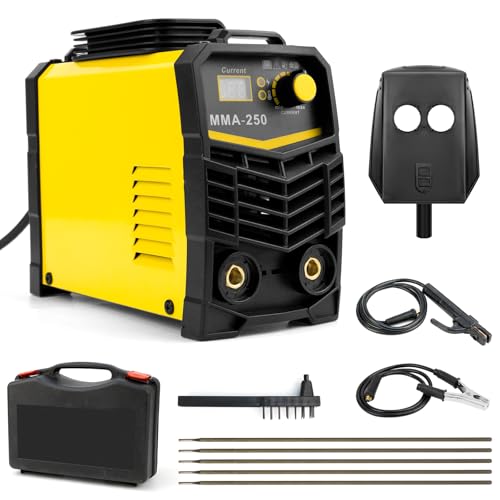
The LIROPAU 250A MMA welding inverter offers robust welding capability for thicker automotive components and construction tasks. With a 220V input, this stick welder delivers higher current output for faster welds and deeper penetration on steel panels and frames. Safety features include built-in over-current, over-voltage, and overheating protections, helping to protect both the user and the equipment during longer repair sessions. For car bodywork, this model is well-suited to structural repairs or thicker metal patches where higher current is advantageous, though it may be heavier to transport than smaller MIG-only units. The tool supports various electrode sizes and is designed for reliable performance.
SSIMDER 140Amp 5-in-1 Multiprocess Welder

The SSIMDER SD5010Pro 5-in-1 multiprocess welder combines plastic welding, soldering, MIG, Stick, and Lift TIG into a single unit. This versatility is useful for car body repairs that involve plastic bumper repairs or trim work alongside metal welding. The 200W plastic welder heats quickly, and the system supports a range of MIG processes with flux-core compatibility. For automotive use, this multiprocess capability provides flexibility for patching both metal and certain plastic components, reducing the need for multiple devices in a small workshop. Users should consider the balance between the convenience of one machine and the learning curve of switching modes during a project.
Buying Guide: Key Considerations For Car Bodywork Welders
- Welding Type: MIG with flux-core is common for car bodywork due to ease of use and tolerance for dirty or thin metal. Consider multiprocess options if you expect to work with plastics or require stick/TIG for specific tasks.
- Power And Amperage: Choose a welder with sufficient current (around 140–250A) for typical car body panels. Lighter tasks benefit from 100–140A units, while thicker patches may require higher output.
- Gasless vs Gas Shielding: Gasless MIG (flux-core) is convenient for on-site work, but may produce more spatter. If you have access to shielding gas, consider a gas-gas MIG for cleaner welds.
- Portability: For car work, a compact, lightweight unit with a comfortable handle and simple setup makes on-the-spot repairs easier.
- Safety Features: Overheat protection, over-current protection, and adequate cooling extend tool life and reduce risk during long repairs.
- Accessory Compatibility: Look for compatible wire sizes (0.6–1.0 mm) and included consumables; multiprocess devices may include additional tools such as plastic welders or soldering irons.
- Maintenance And Durability: A robust transformer and durable casing support long-term use in a home workshop or mobile service.
- Ease Of Use: Digital displays, intuitive controls, and clear instructions help beginners achieve consistent results in automotive tasks.
- Budget Alignment: Compare initial cost with ongoing consumable costs (flux-core wires, contact tips, and anvils) to gauge long-term value for car repairs.