Choosing the right weight training shoes can improve stability, power transfer, and overall performance during squats, deadlifts, and cross‑training sessions. This UK‑focused guide reviews five highly capable options and highlights what to look for when selecting footwear for weightlifting and gym workouts. From deadlift emphasis to cross‑training versatility, these picks balance support, comfort, and durability to support tough training cycles.
| Product | Brand | Key Feature | Link |
|---|---|---|---|
| Feethit Trainers Men | Feethit | Breathable upper; cushioning; non‑slip outsole | Amazon |
| Under Armour Charged Assert 10 | Under Armour | Breathable mesh; stability with midfoot support | Amazon |
| Nordic Lifting Powerlifting Shoes | Nordic Lifting | Enhanced stability; robust build | Amazon |
| MANUEKLEAR Deadlift Shoes | M MANUEKLEAR | Lightweight; wide sole for balance; cushioning | Amazon |
| Merrell Trail Glove 7 | Merrell | Barefoot feel with protection; recycled materials | Amazon |
Feethit Breathable Training Trainers

Feethit trainers prioritise a breathable upper and comfortable interior, making them suitable for long gym sessions and dynamic movements. The mesh and synthetic upper keep feet dry during workouts, while the textile interior offers cushioning and breathability. A combination of EVA cushioning and a durable rubber outsole provides shock absorption and reliable grip, helping to stabilise lifts during squats or box jumps. This model is tailored toward athletes seeking a lightweight option with solid support for weight training and cardio routines.
Under Armour Charged Assert 10

Under Armour Charged Assert 10 emphasizes breathability and midfoot stability. A lightweight mesh upper keeps feet cool, while leather overlays anchor the foot for stability during lifts. The Charged Cushioning midsole uses compression‑moulded foam to deliver responsive cushioning, aiding in both endurance running and heavier sets. The overall design supports athletes who require a versatile trainer that transitions well between lifting and frequent cardio sessions.
Nordic Lifting Powerlifting Shoes
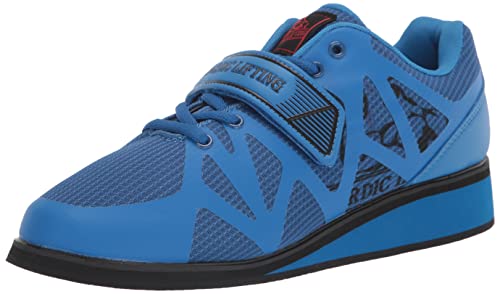
Nordic Lifting powerlifting shoes are engineered to enhance stability during heavy lifts. The ergonomic design supports well‑rounded workouts, including CrossFit and dedicated weightlifting sessions, with a durable construction intended for intense training. The emphasis is on maintaining a solid platform under the feet to maximise force transfer from the ground during squats, deadlifts, and other compound movements. Expect robust materials and a focus on long‑term performance in the gym.
MANUEKLEAR Deadlift Shoes

The MANUEKLEAR Deadlift Shoes are crafted to support heavy lifting with a light, sock‑like feel and a widened, supportive sole. The breathable upper uses mesh fabric to keep feet dry, and a sturdy rubber outsole provides grip and durability. The design emphasizes safety and cushioning to reduce impact during landings, promote balance, and optimise force transfer during squats and deadlifts. A soft toe cap helps protect the toes during heavy sessions while maintaining agility for dynamic training drills.
Merrell Trail Glove 7

Merrell Trail Glove 7 offers a barefoot‑style experience with a focus on natural foot positioning while still providing protection. The 100% recycled breathable mesh upper and integrated EVA foam insole support a natural foot movement repertoire, which can benefit lifting technique and balance when lifting barefoot‑style or in minimalist settings. This option is suited to athletes seeking ground feel and flexibility alongside eco‑friendly materials and a lightweight footprint.
Buying Guide: Key Considerations For Weight Training Shoes
When selecting weight training footwear, several factors influence performance and safety. Consider the lift type, the training environment, and personal foot anatomy to choose the right balance of stability, cushioning, and flexibility.
- Stability vs. flexibility: Squat-focused lifters usually benefit from a stiffer midfoot and elevated heel or a broad base for stability, while dynamic cross‑trainers may prioritise a more flexible forefoot for varied movements.
- Heel height and sole geometry: A higher heel can improve ankle positioning for some squats and overhead presses, whereas a flat or low‑heel design may be preferred for deadlifts and balance drills. Look for a sole with uniform density and a stable base.
- Upper material and breathability: A breathable mesh upper helps manage moisture and comfort during long sessions. Durable overlays can enhance midfoot lockdown for stability during heavy lifts.
- Grip and outsole durability: A non‑slip, durable outsole reduces the risk of foot slippage under load. Check tread patterns and rubber compounds for longevity in gym environments.
- Fit and weight: Lightweight runners reduce fatigue, but ensure there is ample toe box space and secure lockdown. Proper fit across the midfoot is essential to avoid movement that can destabilise lifts.
- Materials and sustainability: Recycled uppers and durable construction can be appealing for long‑term use and environmental considerations. Consider how washing and care affect the footwear over time.
- Intended use and versatility: Some shoes excel at pure lifting, others at cross‑training. If workouts span weightlifting, cardio, and functional training, a versatile trainer with balanced support is advisable.
- Foot anatomy and support needs: Flat feet or high arches can influence the need for arch support and a wider forefoot. Custom insoles or stock supportive features may be necessary for comfort and injury prevention.
In sum, choosing the best weight training shoe involves aligning lift goals with shoe characteristics such as stability, heel height, and material quality. The examples above cover a range of priorities—from deadlift‑focused stability to cross‑training versatility—helping UK buyers compare features, materials, and build quality before purchasing.