Tri bars, or aerobar extensions, can unlock a more aerodynamic riding position and improved comfort on long road rides. For UK riders seeking performance without sacrificing control, selecting a well-made set requires evaluating fit, materials, adjustability and compatibility with common handlebar sizes. Below, five top options from reputable brands are highlighted, covering aluminium construction, ergonomic designs and multi‑adjustable padding. Whether you’re chasing a deeper aero tuck or a more relaxed stance for endurance events, this guide helps you compare features, installation ease and overall value.
| Product | Brand | Handlebar Diameter Compatibility | Highlights |
|---|---|---|---|
| BBB AeroMax | BBB | 25.4/31.8 mm | Two-piece aluminium aero bar, long J-bend, EVA foam padding |
| BBB AeroBase BHB-52 | BBB | 26/31.8 mm | Two-piece aero bars, ergo-bend, easy mounting |
| BBB Aero Bars BHB-59 | BBB | Unknown | AeroComfort with 35 mm height, foam padding |
| Aero Bars by DSRong | DSRong | 31.8/26/25.4 mm (shim options) | Lightweight aluminium, ergonomic center fit |
| Cocoarm Aero Bar | Cocoarm | Standard road varieties | High quality aluminium, removable sponge cushion |
BBB AeroMax Aluminium Tri Bars

The BBB AeroMax Aluminium Tri Bars are designed to maximise aerodynamics with a two-piece construction and J-bend bars. The key feature is the long J-bend reach (350 mm) that helps riders achieve a deeper aero position with improved torso compactness. Multi-adjustable arm pads provide a customizable fit, supporting a comfortable ride across long distances. Foam padding made from EVA material enhances grip and reduces fatigue, making it suitable for endurance events or daily training sessions. Installation is straightforward on compatible handlebars, and the aluminium build offers a balance of strength and weight that’s typical for performance aero bars.
For riders upgrading from standard handlebars, the AeroMax unit’s two-piece design can simplify transport and storage. The ergonomic shaping of the arm pads, combined with the foam padding, aims to deliver a consistent, supportive feel under the forearms. While it is built for performance, users should verify clearances with their current levers, shifters and brake routing to ensure smooth operation on every ride.
BBB AeroBase Aluminium Tri Bars Ergo-bend

The BBB AeroBase tri bars offer a two-piece aluminium construction with an ergo-bend design aimed at creating a deep, aggressive riding posture. These aero bars are designed for road bikes and are compatible with 25.4 and 31.8 mm handlebar diameters, facilitating straightforward installation on a wide range of frames. The clamp and mounting approach is described as easy to fix, helping riders achieve a secure setup without extensive tuning. The Ergo-bend configuration emphasizes a forward head and shoulder alignment that can improve aerodynamics and reduce wind resistance during high-speed efforts.
Practical considerations include assessing the fit with existing bars and the available space above the stem. The alloy composition should offer a solid balance of stiffness and compliance, contributing to precise steering control even when adopting a more aggressive race stance. Users should also consider pad material and adjustability to ensure cushioned contact during extended rides.
BBB Aero Bars BHB-59 AeroComfort

The BBB Aero Bars BHB-59 focuses on an AeroComfort design that raises the arm position by about 35 mm to improve comfort on longer rides without sacrificing the aero advantage. The two-piece aluminium construction aligns with road bike setups that demand rigidity and a precise aero posture. Foam padding on the bars and foam sleeves around the steerer tubes contribute to a more comfortable ride, potentially reducing forearm numbness commonly associated with prolonged aero riding on off-kilter roads. The setup is intended to be compatible with standard road frames, though riders should confirm the clamp diameter and clearance with their fork and head tube geometry.
Riders should consider whether the added height aligns with their overall riding posture, including saddle height, reach, and stem length. While the extra padding and cushioning improve comfort, the wider position might require some adaptation, especially for steep climbs or technical descents. Maintenance includes inspecting foam integrity over time and ensuring the sleeves remain securely in place to avoid movement during aggressive segments.
Aero Bars By DSRong
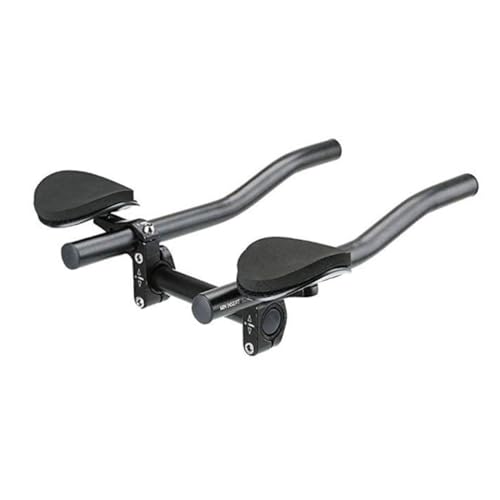
DSRong’s Aero Bars combine lightweight aluminium with practical adjustability. The model emphasizes a centre clamp diameter that accommodates multiple handlebar standards (31.8 mm, 26 mm, and 25.4 mm, with shim adjustments). This flexibility makes it a good option for riders with mixed equipment or those who frequently swap bikes. The design aims to help riders maintain an aerodynamic tuck position, which can improve speed on flats and gentle inclines. The lightweight construction supports easier handling, while the setup remains robust enough to resist flex during high-speed efforts.
Prospective buyers should verify shim requirements for their specific handlebar size and consider the long-term wear on clamp surfaces. Regular checks on pad alignment and securing bolts are advised to maintain optimum aero performance and safety during aggressive riding styles.
Cocoarm Aluminium Aero Bar

The Cocoarm Aero Bar is crafted from aluminium alloy with an integrated sponge pad design. Its build focuses on durability and long service life for road and mixed terrain use. The sponge cushion is removable for cleaning, supporting hygienic maintenance and easier care after wet or dusty rides. Ergonomically shaped for comfortable hand posture, the Cocoarm model targets riders seeking a relaxed aero position that reduces fatigue during extended sessions. The clamp compatibility is aligned with standard road diameters, streamlining installation with most road bikes and some mountain setups.
Potential buyers should evaluate the balance between padding thickness and steering clearance, especially on bikes with tightly integrated headsets or compact frames. The ability to remove and clean the sponge pad is a practical bonus for riders who ride in variable weather conditions, ensuring the pads remain comfortable and hygienic across the season.
Buying Guide
Key considerations when choosing tri bars for a road bike include compatibility, adjustability, weight, and comfort. Start by checking handlebar diameter compatibility and clamp design to ensure secure mounting and reliable grip. If you plan to adjust your aero position frequently, look for multi-position arm pads with easy-to-access adjustment knobs and robust padding to support long rides.
Material and weight affect handling and performance. Aluminium tri bars offer a strong balance of stiffness and cost, but some riders may prefer carbon for marginal weight savings. Foam padding (preferably EVA or equivalent) enhances comfort, particularly on bumpy roads. Assess padding thickness and overall grip, ensuring it delivers a stable forearm contact without causing overheating or pressure points during extended sessions.
Installation ease is another practical factor. Some models advertise two-piece designs that simplify mounting and removal, which is beneficial for transport or swapping between bikes. Compatibility with common sizes (25.4, 26, and 31.8 mm) is common; where shim options exist, verify their availability and impact on clearance. For riders with integrated shifters or compact headsets, ensure the aero bars do not interfere with cables or brake routing during motion.
Positioning strategy matters. A more aggressive aero stance can shave seconds off time trials but may require adaptation and core strength training. The height of the arm rest and the angle of the ergo-bend can influence neck, shoulder, and back strain. Beginners should start with moderate extension and gradually dial in reach as comfort and control improve.
Maintenance and durability should not be overlooked. Regular inspections of pad attachment, pad wear, and clamp bolts help sustain performance and safety. If you ride in wet conditions, consider models with water-resistant padding and corrosion-resistant fittings. Finally, evaluate price-to-performance balance: higher-cost aero bars often deliver incremental gains through refined geometry and materials, yet entry-level options can still provide meaningful aero benefits for recreational riders.