Finding the right trekking shoes can make a big difference on damp, rocky UK paths. This guide highlights five well-reviewed women’s trekking shoes, balancing waterproofing, support, traction and comfort. Each option is designed for mixed terrain—from forest trails to mountain tracks—while keeping feet dry and cushioned over long days outdoors.
| Product | Brand | Key Feature |
|---|---|---|
| Columbia Peakfreak II Outdry | Columbia | Adapt Trax outsole for superb traction |
| Karrimor Isla Weathertite | Karrimor | Waterproof/breathable Weathertite lining |
| Columbia Newton Ridge Plus | Columbia | Omni-Grip rubber and Techlite midsole |
| riemot Waterproof Hiking Shoes | riemot | All-terrain grip and breathable comfort |
| Jack Walker JW1005 | Jack Walker | Waterproof and breathable suede leather |
Peakfreak II Outdry Trekking Shoes

Columbia’s Peakfreak II Outdry is tailored for mixed UK terrains, combining a protective waterproof membrane with a responsive midsole. The Adapt Trax outsole provides reliable traction on wet rocks and muddy trails, essential for damp British mornings. Techlite+ foam in the midsole delivers energy return and cushioning across long ascents, while the OrthoLite Eco insole enhances breathability and odour control. The seamless mesh upper reduces irritation, and the 3D printed stability aids lightweight support on uneven ground. Suitable for hikers who require strong grip without sacrificing comfort over many miles.
Reference features include waterproof Ease and 3D stability, plus a breathable mesh design. Potential considerations are weight and break-in time for some users, though comfort improves with distance. The shoe’s lower profile allows for precise footwork on technical sections, making it a solid choice for women who frequently encounter damp, slippery trails.
Isla Weathertite Trekking Shoes
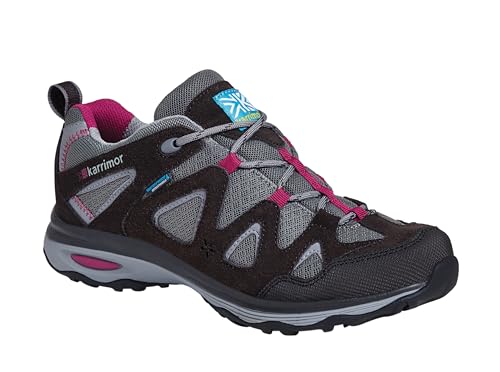
The Isla Weathertite pair from Karrimor is built for wet conditions, featuring a dedicated Weathertite waterproof lining to keep feet dry on soggy paths. The full-grain leather upper with a soft leatherlike collar lining adds durability and comfort around the ankle. While offering substantial protection from water ingress, the shoe remains breathable to help prevent overheating on longer hikes. This model is well-suited to hikers who frequently encounter rain or streams on UK routes and want a sturdy, weather-ready boot without compromising on daily wear comfort.
Key considerations include the balance between waterproofing and flexibility. Leather uppers typically offer longevity, though they may require a short break-in period. The ankle support and robust build suit mid-range trekking and light backpacking, especially where mud and damp conditions are common.
Newton Ridge Plus Hiking Shoes

Columbia’s Newton Ridge Plus combines a rugged leather upper with Omni-Grip traction for reliable grip on various surfaces. The Techlite lightweight midsole delivers long-lasting comfort and energy return, reducing fatigue across lengthy treks. The breathable mesh textile ensures airflow, while the waterproof seam-sealed construction helps maintain dryness in mist and light rain. This model balances protection and flexibility, making it a versatile option for hikers who value consistent comfort from trailhead to summit.
Considerations include weight versus ultra-light alternatives and whether extra ankle support is required for rougher routes. For many UK hikers, the Newton Ridge Plus offers dependable performance for weekend adventures and moderate backpacking trips.
Ri emot Waterproof Hiking Shoes

riemot’s waterproof hiking shoes focus on all-terrain grip and breathable comfort. The PU and mesh upper with synthetic lining helps maintain dryness while promoting airflow. The durable rubber outsole with deep treads provides traction on muddy trails, rocky paths, and wet surfaces, and helps resist mud clogging. A lightweight Phylon midsole offers cushioning and shock absorption to reduce fatigue on long walks. This model suits hikers who prioritise a balance of waterproof capability, traction and light to mid-weight trekking comfort.
Pros include solid traction and breathable design, with potential drawbacks being less ankle support compared to booted options. For day hikes and light weekend expeditions on damp or slippery routes, these shoes are a practical choice.
JW1005 Trekking Boots

Jack Walker JW1005 trekking boots are designed for durability and weather resilience, featuring genuine suede leather with a mesh upper for durability and breathability. The boots offer waterproof protection and reliable breathability to keep feet cool during longer expeditions. The secure lacing and storage compartments help manage gear on the go, making them suitable for hikers who need extra stability and protection across diverse UK terrain. These boots are a practical option for those who prioritise rugged materials and dependable protection on challenging trails.
The JW1005 line emphasizes rugged construction, moisture management, and versatile use. Consider fit and break-in time when selecting this boot, especially for those with narrower feet or specific arch support needs.
Buying Guide: How To Choose The Right Trekking Shoes For Women
- Weather resistance: For UK conditions, waterproof or waterproof-breathable membranes (like Outdry or Weathertite) help keep feet dry during rain and damp mornings. Consider a balance between waterproofing and breathability to avoid overheating on long treks.
- Traction: Look for soles with robust lugs and grippy compounds (e.g., Adapt Trax or Omni-Grip) to tackle wet rocks, mud, and uneven ground. On misty hills, traction matters more than colour or aesthetics.
- Sole and midsole comfort: Techlite or similar foams provide cushioning and energy return for long distances. A supportive midsole reduces fatigue and helps with stability on uneven terrain.
- Fit and weight: Hiking shoes come in varying weights and widths. Prioritise a secure heel lock, roomy toe box, and a mid- to high-cut design if ankle support is needed for rough trails.
- Durability and materials: Leather uppers are durable and protective but may require longer break-in. Mesh uppers offer breathability but may be less water resistant. Consider mix of leather and fabric based on hiking style.
- Breathability and moisture management: A shoe that breathes will feel cooler on long ascents. Look for mesh panels and moisture-wicking insoles for all-day comfort.
- Support and stability: Seek models with reinforced overlays and structured uppers to reduce foot fatigue on uneven paths. An insole with orthotic support can help if you require added arch support.
- Weight versus durability: Ultra-light options are comfortable for day hikes but may compromise durability for rugged terrain. Heavier boots often offer greater protection for challenging runs.
- Terrain compatibility: For forest trails, light waterproofing and flexible uppers are often ideal. For mountain paths, seek sturdier boots with stronger ankle support and rugged outsoles.
- Care and maintenance: Leather uppers require conditioning, while synthetic uppers benefit from cleaning after wet outings. Proper maintenance extends the shoe’s life on UK trails.
When selecting trekking footwear, consider your typical routes, the duration of your hikes, and weather patterns. If you hike regularly in damp or uneven terrain, prioritise waterproofing, traction, and ankle support. For weekend enthusiasts exploring well-marked trails, a lighter, more flexible option with good cushioning may suffice. Always try on with the sock thickness you plan to wear, and if possible, test on a local shop’s incline or stair ramp to gauge fit and comfort before purchasing.