Finding footwear that supports arthritis-prone feet involves looking for cushioning, arch support, wide toe boxes, and stability features. The following five trainers are selected for their emphasis on comfort, lightweight design, and features that may help alleviate common arthritis symptoms during daily activities, walks, and light exercise. This guide outlines key attributes, potential benefits, and practical considerations to help UK readers compare options.
| Product | Brand | Key Benefit |
|---|---|---|
| Skechers Summits Artistry Sneaker | Skechers | Lightweight mesh, slip-on feel, cushioned midsole |
| Rockers Orthopedic Trainers | Generic | Rocker bottom for plantar fascia relief |
| Gowalk-Athletic Walking Shoes | Skechers | High-rebound support and adjustable fit |
| Arched Support Training Shoes | Zcbstl | Breathable mesh, arch-support insole |
| Bravover Orthopedic Trainers | Bravover | Breathable upper, air cushion midsole |
Skechers Summits Artistry Sneaker

The Skechers Summits Artistry Chic Sneaker combines a soft flat mesh knit upper with a bungee laced front for a casual, slip-on feel that’s easy to wear throughout the day. The design emphasises lightweight flexibility, aiding natural movement without adding heavy strain on the joints. The midsole is described as lightweight and shock-absorbing, helping to cushion the heel and forefoot during steps. For arthritis sufferers, the combination of a forgiving upper and responsive midsole may reduce irritations caused by rigid or tight footwear, especially during extended wear or long walks. The knit mesh allows airflow, contributing to comfort in warmer conditions.
Key considerations: ensure the fit accommodates any bunions or toe sensitivities; the slip-on style should not compromise security during more active use. The bungee lacing provides adjustability while maintaining a minimalist profile, which can be beneficial for individuals who prefer easy on/off access. As with all lightweight trainers, the balance between cushioning and support is important; users with more pronounced arch or heel pain may want to pair with orthotic inserts if needed. This model is well-suited for daily errands, light walking, and casual use in UK climates.
Rockers Orthopedic Trainers

These orthopedic trainers are designed for everyday walking with a rocker bottom sole aimed at reducing strain for plantar fasciitis and metatarsalgia. The emphasis on exceptional comfort and support suggests premium cushioning and stability suitable for long shifts, daily walking, or all-day wear. The reinforced arch support redistributes pressure away from sensitive areas, potentially helping alleviate common arthritis-related foot pain during movement. The outsole’s anti-slip properties add versatility for varied terrains, from urban pavements to light outdoor surfaces, enhancing safety. This model is especially relevant for users who need reliable grip and a steady stepping pattern to manage discomfort during extended activities.
Practical notes: verify the size range and width to match foot shape; consider pairing with a supportive insole if the user requires greater arch or heel control. The rocker feature may alter gait slightly, so gradual adaptation is advised. This trainer is a solid choice for those seeking a balance of cushioning, stability, and ease of use throughout the day.
Gowalk-Athletic Walking Shoes
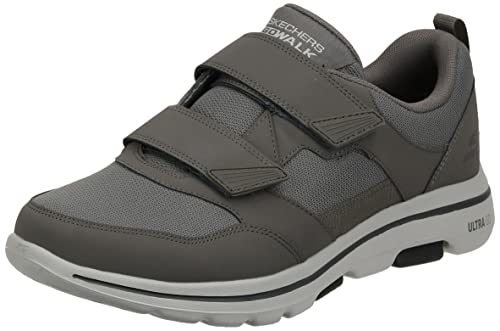
The Gowalk-Athletic model focuses on secure, adjustable fit through two hook-and-loop straps, making it easy to tailor support for each foot. The high-rebound Comfort Pillar Technology in the midsole responds to each step, potentially reducing fatigue during long periods of standing or walking. The combination of Ultra Go cushioning and Air Cooled Goga Mat insoles offers breathability and comfort, which can be beneficial for arthritis sufferers who experience swelling or sensitivity in the feet after prolonged use. The upper materials are designed for breathability, balancing comfort with ventilation to keep feet feeling fresh during routine activities.
Fit considerations: the dual strap design is user-friendly for those who require straightforward adjustments. For individuals needing more arch support, consider checking if there is an available insole option or alternate width. Overall, this shoe is well-suited for daily walking, commuting, and light workouts where comfort and ease of wear are priorities.
Trainers For Women Black Running Shoes

These all-black running shoes for women emphasize an arch-support insole and a breathable mesh upper designed to allow airflow during exercise or everyday wear. The memory-foam comfort feature focuses on a cushioned in-shoe experience, potentially aiding those dealing with plantar fasciitis or general foot fatigue. The design aligns with a lightweight, adaptable profile suitable for walking, gym sessions, and extended wear. If you require extra heel or arch support, consider customizing with an orthotic insert while using these trainers as the base footwear.
Clinical implications: memory foam can help with pressure distribution, but it may compress over time; monitor wear to maintain consistent support. The breathability helps with moisture management, which can be beneficial for long days in NHS or workplace environments where feet remain active. This model suits users seeking a versatile, all-black trainer with comfortable cushioning and supportive features.
Bravover Arch Support Trainers

The Bravover trainers focus on breathability and comfort with a mesh upper that allows air to reach the feet, helping reduce overheating and moisture buildup during activity. The midsole design includes an air cushion that aims to provide shock absorption and a more responsive feel with each step, which can help minimise joint impact for arthritis sufferers during walking or gym sessions. The shoe’s lining is described as soft, reducing friction and irritation, while the arch-support insole supports foot alignment and stability. A protective heel counter adds stability for daily wear, providing a balanced combination of comfort and support for people with sensitive or inflamed joints.
Practical notes: assess the toe box width and overall fit to ensure there is no pinching, particularly if wearing custom orthotics. The memory foam or insole options may influence volume, so consider pairing with thicker socks if needed. This model represents a versatile option for those seeking breathable materials with practical cushioning and arch support.
Buying Guide: Key Purchase Considerations For Arthritis-Friendly Trainers
Foot health is central to mobility, especially for individuals managing arthritis. The following considerations help compare options and choose footwear that supports comfort, balance, and daily activity.
- Arch support and fit: Look for insole support that aligns with your arch type. A wide toe box reduces pressure on toe joints and can prevent irritation in sensitive areas.
- Cushioning and shock absorption: A responsive midsole with adequate cushioning reduces impact on the heels and forefeet. Consider trialing different densities to find comfort level suitable for long periods of standing or walking.
- Secure but adjustable closure: Velcro straps or adjustable laces help customize fit. Avoid overly tight closures that restrict circulation or numb toes.
- Breathability and moisture control: Mesh uppers improve ventilation, reducing heat and moisture buildup that can worsen swelling or discomfort.
- Weight and flexibility: Lightweight designs reduce fatigue, while flexible materials support natural foot motion without sacrificing stability.
- Durability and outsole grip: Traction is important for safety on varied surfaces. Consider non-slip outsoles for urban walking and indoor use.
- Width options: For wider feet or edema, select models offering wide or extra-wide fits to prevent compressive pain.
- Orthotic compatibility: If you already use custom inserts, verify that the shoes accommodate orthotics without compromising fit or comfort.
- Care and maintenance: Materials like mesh may require cleaning to maintain comfort and longevity. Follow manufacturer guidance for best results.
When assessing products, compare the level of arch support, cushioning type, closure design, and overall fit. Consider the typical activities you plan to perform, as walking for long durations may require higher cushioning and stability, while light daily use may tolerate softer uppers with adequate breathability. For arthritis management, prioritise footwear that offers foot alignment support, minimal rubbing points, and a secure yet comfortable fit. If possible, consult a podiatrist or footwear specialist to tailor recommendations to your specific foot health needs.