Choosing the right footwear for strength training can impact stability, form and comfort across lifts, circuits and high-intensity workouts. The following five shoes represent a mix of stability, barefoot feel and durable support, suitable for home gyms and commercial studios across the United Kingdom.
| Product | Why It Fits Strength Training | Key Features |
|---|---|---|
| Under Armour Surge 4 | Structured support with comfortable cushioning for lifts and short runs between sets | Breathable mesh upper, enhanced ankle cushioning, sockliner that molds to the foot |
| VIVOBAREFOOT Motus Strength | Barefoot-style stability with protection for high-impact workouts | Zero-drop barefoot design, improved grip, stability for rope climbs and box jumps |
| Feethit Trainers | Lightweight and breathable for fast-paced training and multi-directional moves | Breathable upper, cushioned inner, non-slip and shock-absorbing outsole |
| VEVOR Cross Training Shoes (White) | Wide forefoot and arch support for lifting and cardio, stable base | Lightweight, breathable upper; anti-slip MD outsole; widened forefoot |
| VIVOBAREFOOT Primus Lite III | Minimalist barefoot feel to encourage natural movement with strength work | Zero-drop, sustainable materials, flexible and light |
Under Armour Surge 4 Review
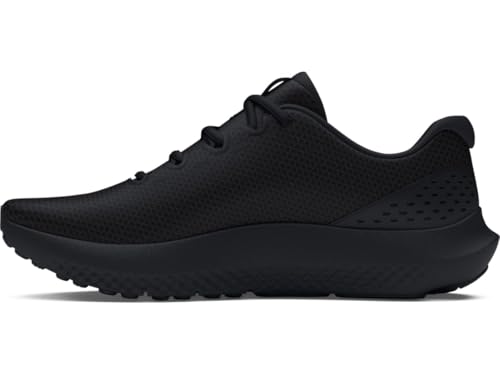
The Under Armour Surge 4 combines a breathable mesh upper with synthetic overlays to provide structure and support where lifters need it most. The enhanced cushioning around the ankle collar adds comfort during heavy sets, while the deluxe comfort system sockliner molds to the foot, promoting a secure step-in feel. This design supports a range of movements common in strength sessions, including squats and deadlifts, by delivering a balanced mix of lockdown and comfort. The shoe’s midsole cushioning helps absorb impact from quick transitions between exercises, reducing fatigue over longer workouts. Ideal for gym-based strength routines and circuit sessions, it aims to keep your feet stable without compromising natural foot motion during pressing and pulling movements.
VIVOBAREFOOT Motus Strength

VIVOBAREFOOT Motus Strength is designed for minimal interference with natural foot movement, offering a zero-drop profile and barefoot feel that supports high-intensity workouts. While maintaining protection for heavy lifting and dynamic movements, the shoe emphasizes stability and grip for power-focused sessions, making it suitable for weightlifting, functional fitness and rope-based drills. The redesign focuses on improving performance through a stable sole and upper, enabling precise foot placement, with grip and stability that can handle box jumps and other complex movements without sacrificing the barefoot sensation some athletes prefer. This model suits lifters seeking a strong foundation with a natural foot experience.
Feethit Trainers For Strength

Feethit Trainers prioritise breathability and comfort for longer training sessions. The breathable upper uses mesh and synthetic materials to keep feet cool during intense workouts, while the inner textile provides cushioning and support to reduce fatigue during standing and lifting. The outsole combines EVA and durable rubber to deliver effective shock absorption and a non-slip grip, making them suitable for multi-directional training, cardio intervals, and everyday gym use. With light weight and flexible construction, Feethit Trainers support a range of movements from squats to sprints without overly restricting foot flexibility.
VEVOR Cross Training Shoes (White)

VEVOR Cross Training Shoes excel in features that support diverse training, including a widened forefoot and arch support for stability during lifted movements. The MD rubber outsole provides an anti-slip pattern to help maintain grip across various surfaces while performing lifts or dynamic drills. The leather and Oxford fabric upper balances durability with breathability, ensuring the shoe remains comfortable through long sessions. The design emphasises a secure base for weightlifting, with a neutral profile suitable for both strength and cardio components of training programs. Regular care as advised helps maintain structure and fit for continued performance.
VIVOBAREFOOT Primus Lite III

Primus Lite III represents a minimalist, sustainable trainer crafted for natural movement. Its flat zero-drop sole encourages foot flexibility and balance during strength work, enabling athletes to maintain proper form in lifts and dynamic movements. The lightweight design reduces fatigue during longer sessions, while the barefoot-inspired feel helps strengthen stabilising muscles over time. This model is well-suited for lifters who prioritise proprioception and a low-profile platform for precise weight transfer, with a focus on sustainable material choices.
Buying Guide: Key Purchase Considerations
- Foot mechanics and lift style: Barefoot or zero-drop designs can help with proprioception and stabilising muscles, but may require an adaptation period for heavier lifts. Choose based on comfort with foot range of motion and the type of workouts you perform.
- Stability vs. flexibility: For heavy lifts like squats or deadlifts, shoes with a stable, wide base and firm midsole offer better power transfer. For mixed routines including rope climbs or box jumps, consider grippy soles and slightly more flexible uppers.
- Upper material and breathability: Mesh and lightweight synthetics promote airflow, reducing heat during extended sessions. Durable overlays provide structure without sacrificing mobility.
- Grip and outsole design: A non-slip outsole with traction patterns supports secure footing on gym floors and platform areas. Look for anti-slip features if you frequently perform lateral movements or jump drills.
- Fit and toe box: A roomy forefoot can improve stability in wide stances, while snug heel lockdown prevents slippage during explosive movements. Consider wide-foot options if you need extra width for comfort.
- Durability and maintenance: Leather, fabric blends and rubber outsoles vary in wear. Follow care instructions to extend life, especially for cross-training models used across multiple disciplines.
- Weight and comfort balance: Lighter shoes reduce fatigue, but some lifters prefer slightly heavier, denser midsoles for stability. Trial and choice depend on personal preference and workout intensity.
When selecting shoes for strength training, consider how your feet move during lifts, the types of exercises you perform most often and how you move between stations in your routine. Balancing stability, grip, and comfort will help sustain performance across sessions, while accommodating different surfaces or equipment found in UK gyms and home setups.