Choosing the right footwear can significantly impact squat depth, stability, and power transfer. The following five shoes, all available on Amazon, are among the top options for squat-focused workouts in the UK. They emphasize a firm heel, solid outsole grip, and robust construction to help you lift with confidence.
| Product | Brand | Key Benefit |
|---|---|---|
| Nordic Lifting Powerlifting Shoes for Heavy Weightlifting | Nordic Lifting | Rigid midsole, stable ankle support |
| Nordic Lifting Venja Squat Shoes | Nordic Lifting | Balanced stability with CrossFit suitability |
| MANUEKLEAR Deadlift Shoes | M MANUEKLEAR | Lightweight, breathable, technical fit |
| ForceRoute Weightlifting Power Shoes | ForceRoute | Three-dimensional grip, anti-rolling |
| kcross Deadlift Shoes Squat Shoes | kcross | Durable, TPU sole, honeycomb grip |
Note: This guide focuses on stability, heel height and connection to the floor. Read each product’s features to determine which aligns with your squat style—high bar, low bar, or classic powerlifting movements.
Nordic Lifting Powerlifting Shoes For Heavy Lifts
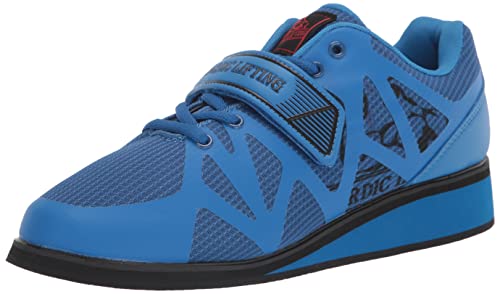
Nordic Lifting Powerlifting Shoes are engineered to improve lifting performance with a focus on stability. Their ergonomic design supports well-rounded workouts, including CrossFit and weightlifting sessions, delivering gains through a more solid base. The construction is described as durable, built to withstand heavy stress for long-term use in intense training environments. For squat-centric sessions, the combination of a rigid midsole and secure outsole contact helps transfer force efficiently from the ground to the bar, reducing wobble at the bottom of a squat and aiding in maintaining upright posture.
Nordic Lifting Venja Squat Shoes For Cross Training

Venja is positioned as a versatile option for both squats and cross-training. The ergonomic design supports a balanced stance during heavy lifts while remaining suitable for varied conditioning work. Buyers can expect a durable build designed to endure substantial training loads, with long-lasting quality backed by a warranty. The shoe’s profile aims to offer stable heel support and a footprint that keeps the foot secure during deep squats, enabling consistent bar path and improved force transfer from hips to the bar.
MANUEKLEAR Deadlift Shoes For Squats And More

The MANUEKLEAR Deadlift Shoes are designed to be light and close-fitting, aiming to improve movement efficiency during weightlifting and squats. They are described as nearly sock-like in fit, with breathable mesh uppers to keep feet dry during intense sessions. The sole features a sturdy rubber construction and a laterally widened profile to provide solid lateral support, while a cushioned toe cap protects the toes and enhances comfort. The design concentrates on reducing ankle slippage and delivering stable contact with the ground, which can help with balance and knee tracking during heavier sets.
ForceRoute Weightlifting Power Shoes For Stability

ForceRoute Weightlifting Power Shoes are marketed for weightlifting and bodybuilding with a emphasis on stability. Features include a breathable mesh upper and a three-dimensional rubber sole that provides strong grip, reducing anti-rolling during heavy squats. The shoes are described as lightweight with a secure fit, aided by an elastic mouth and adjustable features to tailor tension. The design focuses on distributing load evenly across the foot and ensuring the wearer can push through the heels with confidence, a key element for maintaining proper depth and bar control during serious squat work.
kcross Deadlift And Squat Shoes With Grip

kcross Deadlift Shoes combine durability with supportive tread for squats. The features highlight a TPU sole for enhanced stability and a honeycomb rubber design that aims to deliver superior grip during lifts. The shoes are presented as an environmentally mindful option with emphasis on longevity and performance, making them suitable for lifters who need reliable contact with the floor under heavy loads. The combination of a robust outsole and a snug upper is intended to support consistent bar path and ankle alignment through deep squats.
Buying Guide: Key Considerations For Squat Shoes
- Heel Height And Stability: A higher, rigid heel can improve depth and squat form, especially for high-bar squats, while a lower heel suits certain lifters. Look for a solid midsole and a flat outsole contact area for minimal energy loss.
- Outsole Traction: A grippy, non-slip outsole is essential on gym floors. Rubber compounds with textured patterns help prevent slipping when lifting heavy loads.
- Upper Material And Fit: Breathable uppers keep feet dry and comfortable, while a secure fit minimizes foot movement inside the shoe. Consider a snug heel cup and a narrow to medium forefoot for stability.
- Durability And Build Quality: Shoes built to endure heavy sessions will save money in the long run. Look for reinforced stitching, quality straps or lacing, and a robust midsole.
- Weight And Flexibility: Lightweight shoes with targeted rigidity elsewhere can help maintain form without sacrificing comfort. Avoid overly soft or collapsible midsoles for heavy squats.
- Intended Use: Some shoes are optimized for pure powerlifting; others work well across CrossFit and general gym training. Decide whether you want a dedicated squat shoe or a versatile cross-training option.
- Sizing And Fit Guidance: Some brands suggest ordering 1–2 sizes up, particularly for wide feet. Check the seller’s sizing notes and consider trying with a sock setup similar to your training.
- Warranty And Returns: If available, warranties indicate confidence in durability. Ensure easy returns if the fit or feel isn’t right.
When choosing among these options, match product features to your lifting style: for deep, stable squats with a heavy load, prioritize a stiff, elevated heel and a firm sole; for a mix of lifts, select a versatile design with strong grip and supportive fit. Each of the five products listed provides distinct advantages depending on your priorities, training frequency, and comfort needs.