Finding the right footwear-compatible AFO braces can make a meaningful difference for people with foot drop. This guide highlights top options available on Amazon UK, focusing on devices that lift the forefoot, stabilise the ankle, and improve gait. Each product is designed to be worn with a wide range of shoes, from sneakers to leather footwear, helping users walk with more confidence and less fatigue. The following selections are chosen for accessibility, adjustability, and patient-friendly design for both left and right feet.
Overview of selected products:
| Product | Brand | Key Benefit | Typical Fit |
|---|---|---|---|
| Foot Drop Brace for Walking with Shoes, Up AFO Splint | Sylong | Triangular force structure to elevate the foot and shoe front | Unisex, fits various shoe types |
| Foot Drop Brace for Walking with Shoes, Up AFO Splint | Sylong | Extension strap included for easy adjustment | Unisex, suitable for different shoe styles |
| joingood AFO Foot Drop Brace with Reel-Adjust | joingood | Knob-adjust dorsiflexion angles, precise control | Left or Right, multiple sizes |
| Boxia Drop Foot Support – Class 1 AFO | Boxia | Shoe-compatible, discreet low-profile design | Adult unisex, various sizes |
| Pozpo Tech AFO Foot Drop Brace | Pozpo Tech | Adjustable lifting force with multiple hooks | Unisex, right/left access |
Foot Drop Up AFO Brace With Triangle Support

The Sylong Foot Drop Brace is designed to lift the front of the foot and improve walking comfort for individuals experiencing foot drop. Its triangular force structure combines ergonomic design with a durable buckle to sustain the lift for extended periods, reducing toe-drag and high stride gait. The device is compatible with a broad range of shoe types, including lace-up sneakers and leather footwear. An extension strap helps tailor the fit for different shoe volumes, contributing to stability during daily activities. This model suits both left and right feet and accommodates men and women.
Key features cited include front-foot elevation during ambulation, a secure buckle mechanism to prevent detachment, and broad compatibility with common footwear. Users should assess shoe style to ensure adequate room for the brace without compromising comfort. Proper wear can reduce stumbling and support a more natural gait, particularly for those with diminished ankle dorsiflexion.
Foot Drop Brace With Reel-Adjust Dorsiflexion
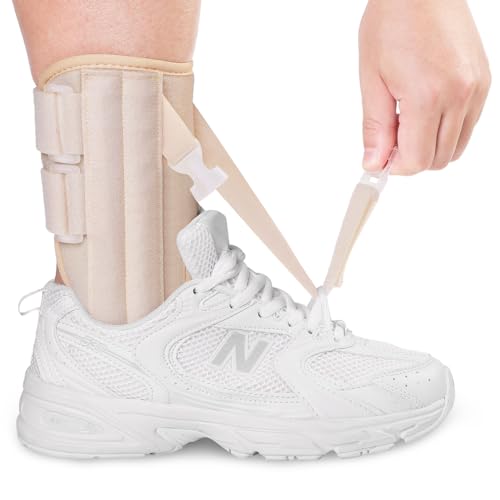
joingood’s AFO Foot Drop Brace combines a reel-adjust system with a dorsiflexion assist, enabling precise tuning of tension and lift. The knob-design allows quick, one-handed adjustments to dorsiflexion angles, supporting balanced gait for individuals with stroke-related drop foot or nerve-related foot drop. A rubber-coated wire provides robust pulling force, helping keep the forefoot elevated during walking. This brace is intended for both left and right feet, with sizes available for different wearers, and is designed to work with a variety of shoe styles via adjustable straps. It emphasizes straightforward daily adjustments and consistent performance through the day.
Considerations include the need for consistent positioning to avoid heel slippage and ensuring the hinge mechanism remains secure during activity. The device’s dual-sided stabilization and simple operation may benefit users seeking reliable, adjustable dorsiflexion support without frequent readjustment.
Boxia Class 1 AFO For Discreet Wear

Boxia’s Drop Foot Support offers a slim, low-profile AFO that fits neatly inside most everyday footwear, aiding dorsiflexion without adding bulk. The Class 1 medical device designation underscores its targeted support for lifting the forefoot, contributing to a steadier, safer stride. The padded cuff and adjustable elastic strap deliver personalised comfort and controlled tension during activity, making it a practical option for daily wear. Its discreet design makes it suitable for use under slippers or casual shoes, as well as more formal footwear, depending on fit and shoe shape.
Key considerations for this option include its slim profile and its ability to remain unobtrusive under regular footwear. Users should verify shoe width and the brace’s height to ensure the device remains unobtrusive when walking. The combination of adjustability and discreteness supports prolonged wear across varied daily routines, from work to leisure activities.
joingood Reel-Adjust AFO For Left Or Right

This joingood model provides a reel-adjust dorsiflexion assist, with a focus on left or right foot compatibility and an adjustable tension system. The device highlights similarities to other joingood AFO products, including the knob-driven fine-tuning of dorsiflexion angles and a robust, rubber-coated wire for dependable pulling force. It is designed to accommodate common neuromuscular conditions that produce foot drop and include a straightforward adjustment method to support daily activity. The product advertises built-in stability features and a layout intended to balance the ankle from both sides.
Potential considerations include ensuring the brace remains securely positioned during longer walks and verifying the shoe compatibility across different footwear types, especially for users who wear slip-ons or sandals with irregular eyelets.
Pozpo Tech Adjustable AFO Foot Drop Brace
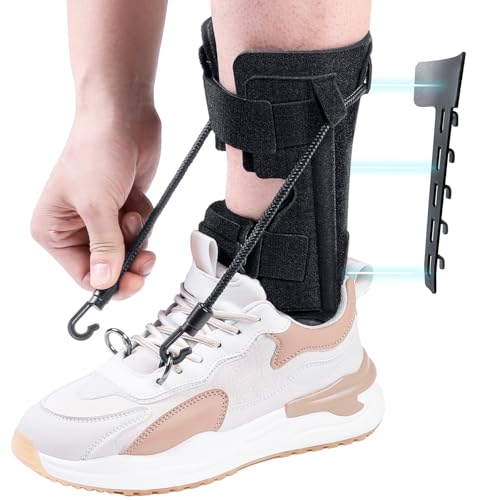
Pozpo Tech’s AFO Foot Drop Brace emphasizes adjustable lifting force with five back hooks. It allows users to tailor support by selecting different hook positions to suit shoe sizes and hole patterns. The device also includes metal rings to anchor the elastic rope to shoe eyelets, improving stability. Built with two high-elastic side supports and a flexible rope system, the brace aims to provide balanced, reliable dorsiflexion assistance that reduces fatigue during walking. It is suitable for both left and right feet and supports a wide range of shoe styles for daily use.
Key purchase considerations include checking compatibility with your most-used footwear (laces versus eyelets), the ease of adjusting rope tension throughout the day, and the total height added by the device, which could affect ankle comfort in snug shoes.
Buying Guide: Key Purchase Considerations And Comparisons
Purpose and suitability: Choose an AFO brace designed to address foot drop caused by nerve damage, stroke, MS, or similar conditions. Look for models that specifically mention dorsiflexion assistance and forefoot lifting to reduce toe drag and stumble risk.
Adjustability: Prioritise products offering adjustable dorsiflexion angles, tension, or lifting force. Knob-adjust designs and reel-adjust systems enable precise control for individual gait and shoe type, helping users optimise comfort and effectiveness.
Compatibility and comfort: Assess how well the brace fits with your typical footwear. Slim, shoe-compatible designs are preferable for daily use, but ensure there is enough room for the brace without cramping the foot. Padding, cuff support, and strap systems affect long-term comfort.
Left or right foot suitability: Most devices are suitable for both feet, but verify product descriptions to ensure compatibility with your intended foot. For shared devices, confirm sizing options for different foot dimensions or shoe types.
Durability and maintenance: Look for robust materials, secure buckles or hooks, and easy cleaning. AFO devices should withstand daily walking and occasional water exposure without compromising performance.
Ease of use and daily life: If you need to adjust the device throughout the day, prioritize models with simple, one-handed adjustments. Consider whether the brace will stay in place during varied activities such as standing, stairs, or light exercise.
Size and sizing guidance: Check size charts for each product and review user feedback on fit. Some braces offer multiple sizes (S/M, L/XL), and some are adjustable across a range of shoe sizes. Correct sizing is crucial for stability and comfort.
Cost and value: Compare price versus features like dual-side stabilization, number of adjustment points, and compatibility with multiple shoe types. While higher-end options may offer more precise customization, simpler models can still provide meaningful support for daily walking.
Overall, the best choice balances effective dorsiflexion assistance, comfortable wear under everyday footwear, and straightforward, reliable adjustments. Consumers should consider their daily routines, shoe preferences, and gait goals when selecting an AFO brace for foot drop.