Finding running shoes that help ease knee discomfort can be a game changer for many UK runners. The following selections emphasise cushioning, stability and shock absorption to help reduce impact on sore knees, shin splints, and joint fatigue. Each pick is linked to Amazon UK for convenient access and sizing options. Use the buying guide below to compare features like cushioning technology, stability features, and fit.
| Product | Main Benefit | |
|---|---|---|
| Dr. Scholl’s Run Shock Absorbing Insoles | Pain relief during runs | Three-zone heel-to-toe shock absorption |
| Under Armour UA Charged Assert 10 | Responsive daily training | Charged cushioning midsole |
| ASICS GLIDERIDE MAX | Efficient, smooth rides | GUIDESOLE and FF BLAST MAX cushioning |
| ASICS NOVABLAST 5 | Energetic, light feel | FF BLAST MAX cushioning |
| ASICS Gel-Kayano 32 | Stability and support | 4D GUIDANCE SYSTEM, knit upper |
These selections prioritise cushioning, stability, and support to help manage knee pain during runs. Consider foot type (flat, neutral, high arch), typical run distance, and terrain when choosing. The following product sections provide concise summaries and key features for quick comparison.
Dr. Scholl’s Shock Absorbing Insoles

Dr. Scholl’s Run Shock Absorbing Insoles are designed to relieve pain from common running injuries, including runner’s knee, shin splints, and plantar fasciitis. The original 3-zone heel-to-toe design and deep heel cup absorb impact with every step, reducing shock and helping you stay on your feet longer. The reinforced arch support improves weight transition from landing to push-off, promoting stability during intense activities. These insoles fit a UK size 7-13 range and are intended to be used in running shoes to boost cushioning and support.
Under Armour Charged Assert 10 Running Shoe

Under Armour UA Charged Assert 10 combines a lightweight, breathable mesh upper with durable synthetic overlays for added support. The EVA sockliner provides soft, step-in comfort, while the Charged cushioning midsole uses compression-molded foam for a responsive ride. This combination aims to reduce knee impact during runs and offer a durable everyday training shoe option for runners seeking more comfortable, stable cushioning without excessive weight.
ASICS GLIDERIDE MAX Running Shoes

ASICS GLIDERIDE MAX features an engineered mesh upper for breathability and a GUIDESOLE system that assists smooth toe-offs and energy savings. The FF BLAST MAX midsole cushioning provides a lightweight, energetic ride with cloud-like softness. This design supports knee comfort by distributing impact more evenly and reducing excessive knee flexion during running strides.
ASICS NOVABLAST 5 Running Shoes
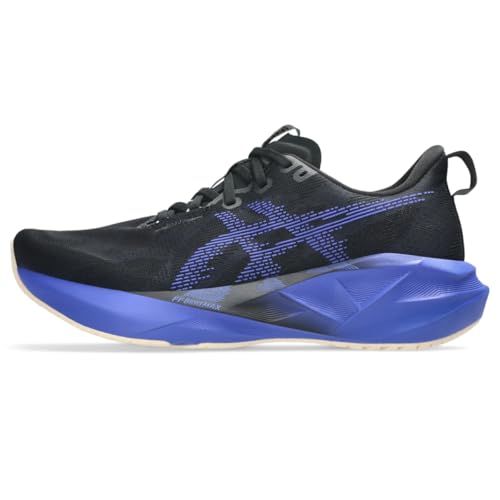
ASICS NOVABLAST 5 uses FF BLAST MAX cushioning to deliver a lightweight, energetic ride with responsive energy return. The breathable engineered jacquard mesh upper helps keep feet cool, while a structured forefoot helps reduce excessive bending at the knee over longer distances. Tongue wing construction adds comfort and a secure fit, supporting knee comfort during fast-paced runs or longer training sessions.
ASICS Gel-Kayano 32 Running Shoes

ASICS Gel-Kayano 32 focuses on stability and support with a knit heel pull tab for easy on-and-off. The 4D GUIDANCE SYSTEM provides a dynamic response under load to deliver stability and comfort for the duration of a run. An engineered mesh upper reduces extra overlays, contributing to a lighter feel while maintaining structure, making it a solid option for runners needing more support for knee-friendly workouts.
Buying Guide
Key purchase considerations for knee-friendly running shoes include cushioning density, stability features, and fit. Cushioning should be adequate to absorb impact, ideally with multiple-density foams or gels in the midsole to reduce peak knee forces. Stability features such as medial posts, guide rails, or structured uppers help control overpronation tendencies that can aggravate knee pain. Fit matters: a secure heel lock, roomy toe box, and appropriate arch support prevent unnecessary foot movement that can transfer stress to the knees.
Additional perspectives to consider:
- Running style and terrain: Road vs trail shoes affect knee loading. Road shoes often prioritise energy return and cushioning, while lightweight stability shoes help control motion on uneven surfaces.
- Insoles and inserts: For some, integrating supportive insoles (like orthotic-grade options) can improve knee comfort significantly by aligning the foot and reducing rotational forces.
- Weight and responsiveness: Lighter shoes with responsive foams aid quicker cadence, potentially reducing knee impact over distance.
- Durability vs cushion trade-off: Softer foams feel more forgiving but may wear faster; consider your mileage and maintenance schedule.
- Proper sizing: UK sizing varies by brand; test for a secure heel fit to prevent sliding that can worsen knee strain.