Choosing the right bindings is essential for intermediate riders seeking a balance of responsiveness, comfort, and forgiveness. The following selections target riders who have moved beyond beginner setups but still want approachable performance for varying terrains. Each option below combines solid support, adjustable features, and reliable connection to the board, helping you improve your carving, stability, and overall control on the mountain.
| Product | Brand | Key Benefit |
|---|---|---|
| System MTN 2025 (Medium) | System | Rear-entry, versatile baseplate, comfortable padding |
| System MTN 2025 (Large) | System | Same rear-entry design, extended sizing for roomier fit |
| Salomon Rhythm (L) | Salomon | Soft flex with forgiving, balanced feel |
| HEAD RX ONE (XL) | HEAD | Lightweight, tool-free adjustability, easy entry |
| Burton Step On (Medium) | Burton | Fast, secure step-in system with responsive feel |
System MTN Medium Bindings

The System MTN Medium bindings use a rear-entry flow-style design that aims to speed up entry while maintaining stability. The baseplate is described as fully compatible across multiple mounting configurations, including standard four-hole patterns and Burton Channel EST boards, enabling broad compatibility. High-density cushioning on the footbed and full EVA padding on the hi-back contribute to a comfortable ride and reduced fatigue during longer sessions. This setup suits intermediate riders who want straightforward setup with reliable response.
What to consider
Rear-entry bindings can offer quicker transitions between turns during daytime runs. The multidisc base plate compatibility is a plus for riders with varied boards. Note that the padding and overall construction emphasize comfort for longer rides, which is helpful when refining technique at an intermediate level.
System MTN Large Bindings
The Large version of the MTN keeps the same rear-entry flow design but offers a size upgrade to accommodate a broader foot or boot size. The base plate remains compatible with a wide range of boards, including Burton EST configurations. As with the medium, full EVA padding at the hi-back and high-density footbed cushioning are highlighted features, aimed at minimizing vibration and enhancing comfort during longer sessions or on bumpy terrain. This size option is useful for riders whose boot size falls outside the medium range.
Features reiterate the strength of the MTN line: quick step-in, versatile mounting, and padding designed to dampen chatter. For intermediate riders who value predictable response and a straightforward setup, these bindings provide a reliable option without needing extensive adjustments.
Salomon Rhythm Bindings, L

The Salomon Rhythm bindings emphasize a soft flex and an asymmetrical design that aims to balance forgiveness with stability. The sizing options (S/M/L) include specific measurements to help riders choose appropriate fit. The Rhythm bindings feature a lightweight ankle strap and molded materials intended to offer a comfortable yet secure fit, reducing fatigue during longer rides. This makes them a suitable choice for intermediates seeking a smooth, forgiving ride while still achieving solid edge control.
What to consider
Soft-to-mid flex bindings can be forgiving on uneven terrain but may require a bit more effort to drive into steeper carves. The provided size ranges help ensure a comfortable fit, which is important for maintaining confidence on more challenging runs.
HEAD RX ONE White Bindings

The HEAD RX ONE binding features a reclining highback to ease entry and exit, which can help intermediates save time and maintain smooth transitions on busy days. The FT1 base is described as lightweight, enabling solid power transfer without adding unnecessary weight. EVA cushions in the toe and heel basepads provide additional shock absorption, helping to smooth edge-to-edge transitions on variable snow conditions. The combination aims to deliver precise support for mid-range riders while maintaining agility.
What to consider
Tool-free adjustment and a reclining highback can simplify fitting and fine-tuning on the mountain. The balance between light weight and structural support is particularly relevant for riders seeking to enhance carving precision without sacrificing comfort.
Burton Step On Bindings
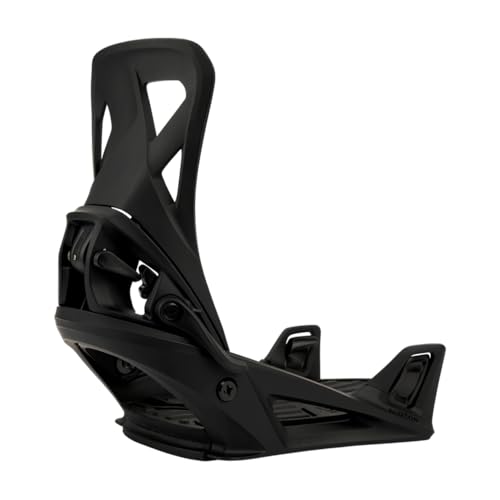
Burton Step On bindings are designed for quick entry with a specialized toe-to-binding connection and a two-point step-in method. The Re:Flex mounting system improves board flex and reduces weight while maintaining strong response. The FLAD system allows micro-adjustments to the forward lean, and the baseplate uses a nylon composite with glass reinforcement for a responsive yet forgiving feel. This setup targets riders who prioritise speed-to-ride transitions and consistent bite across terrain, a common preference among intermediate riders aiming for efficiency on lift-access days.
What to consider
The Step On system offers convenience and a distinctive stepping mechanism that can shorten setup time. Be sure your board is compatible with Burton’s mounting system, and consider whether the two-point Toe Hook connection aligns with your riding style and boot compatibility.
Buying Guide: Key Purchase Considerations
- Riding style and terrain: If you ride mixed terrains or parks, look for bindings with a balanced flex (mid-soft to mid-stiff) to support both stability and responsiveness.
- Entrypoint design: Rear-entry (like System MTN) can speed up transitions, while traditional strap bindings offer precise control. Choose based on comfort and confidence in your technique.
- Baseplate compatibility: Ensure the baseplate is compatible with your board mounting system (four-hole, Burton Channel EST, etc.). This affects setup ease and performance alignment.
- Padding and impact absorption: Full footbed and hi-back padding reduce fatigue and chatter, improving comfort on longer days or rough terrain.
- Weight and adjustability: Lightweight builds with tool-free adjustments help you fine-tune fit on the fly, especially useful for growing intermediate riders.
- Boot compatibility: Check strap length, ankle strap stiffness, and highback height to ensure a secure fit across your typical boot size and shape.
- Durability and materials: Look for durable plastics and reinforced baseplates that withstand repeated flexing and cold conditions.
- Maintenance: Consider bindings that are easy to assemble/disassemble and have accessible replacement parts in case of wear.
For intermediate riders, a binding that balances ease of use with precise edge control will support progression. Consider testing a few options if possible, and pay attention to how the binding interacts with your boot stiffness, board rocker, and preferred riding style. Safety and comfort should remain top priorities when evaluating long-term compatibility with your setup.