Finding the right heart rate monitor (HRM) can help runners pace workouts, track effort, and monitor recovery. The following selections focus on chest strap HRMs that pair reliably with popular apps and devices in the UK. They offer Bluetooth, ANT+ connectivity, and robust app compatibility to support running, cycling, and gym sessions. Each option below is chosen for accuracy, ease of use, and durability, making them suitable for serious runners and casual joggers alike.
| Product | Brand | Amazon Link |
|---|---|---|
| COOSPO H6 Heart Rate Monitor Chest Strap | CooSpo | View |
| COOSPO IP67 Waterproof HRM Chest Strap | CooSpo | View |
| Garmin HRM-600 Premium HRM | Garmin | View |
| COOSPO Bluetooth ANT+ Chest HRM | CooSpo | View |
| Garmin HRM-200 HRV Monitor | Garmin | View |
Below is a concise overview of the five selected models. The table highlights compatibility and key strengths to help you compare at a glance.
COOSPO H6 HRM
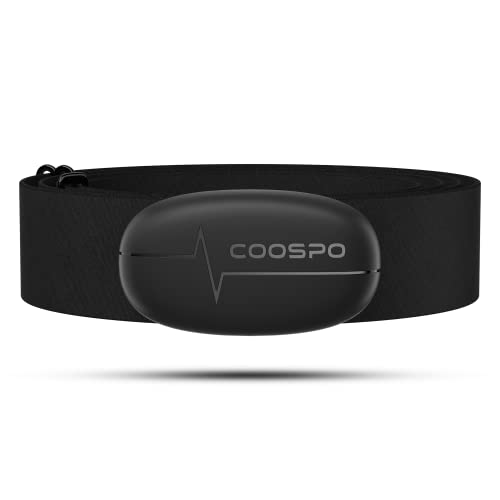
The COOSPO H6 is designed for accurate heart rate tracking across activities such as running, cycling, and gym workouts. It uses BLE 4.0 and ANT+ technologies, enabling connections to smartphones, tablets, sports watches, bike computers, treadmills, and many gym machines. This flexibility makes it easy to pair with popular training apps like Zwift, Peloton, Runkeeper, and iFIT. The device’s compatibility with multiple platforms helps runners monitor real-time heart rate, calorie burn, and training progress without changing devices mid-workout. A straightforward setup supports a wide ecosystem of fitness gear.
Key features include robust BLE and ANT+ support, ensuring pairing with most devices and apps, as well as broad app compatibility that covers professional and consumer training tools. The H6 is suitable for runners who want a reliable, no-fuss HRM that integrates with their existing tech stack. Users should note that battery life depends on usage, and proper moistening of the strap before workouts improves signal stability. The strap is lightweight and engineered to stay in place during vigorous sessions, reducing the risk of readouts being interrupted mid-run.
COOSPO IP67 Chest HRM

The COOSPO IP67 model combines IP67 waterproofing with Bluetooth 4.0 and ANT+ for broad compatibility across devices and apps. This makes it a practical option for runners who train in varied conditions or who frequently train indoors on gym equipment. Real-time heart rate and calorie burn data are captured and can be transmitted to multiple training apps and devices simultaneously. Indicators and beep tones help confirm a secure connection, reducing uncertainty during workouts. Its app compatibility spans Wahoo, Zwift, Peloton, and other popular platforms.
For runners who value durability in wet weather or sweat-heavy sessions, the IP67 waterproofing adds a level of resilience. The strap remains comfortable through long runs, and the device’s LED indicators are useful during initial setup to verify proper pairing. As with other COOSPO models, battery life is generally reliable, though it will vary with usage intensity and connected devices. This model is well-suited for runners who want a dependable, all-weather HRM that can integrate with a wide app ecosystem.
Garmin HRM-600 Premium

The Garmin HRM-600 Premium is designed to deliver precise HRV data, running dynamics, and a rechargeable battery. It provides valuable metrics such as stride length, vertical oscillation, and ground contact time balance when used with compatible Garmin watches. The strap is machine washable and comes in multiple sizes for a comfortable fit. This model is particularly appealing to runners who already use Garmin devices and want deep, actionable insights to refine technique and pacing. Real-time data can be transmitted to Garmin watches, cycling computers, or connected fitness equipment and apps.
Strengths include seamless Garmin ecosystem integration and advanced running dynamics. The rechargeable battery reduces the need for frequent replacements, and the machine-washable strap supports long-term use. Potential considerations are that some metrics require a compatible Garmin device or app to unlock the full suite of running dynamics, so users should confirm compatibility before purchase. Overall, it is a strong choice for those seeking in-depth HR and performance analytics within the Garmin environment.
COOSPO ANT+ Chest HRM

This COOSPO model emphasizes real-time data capture and strong app compatibility. It transmits heart rate and calories burn to preferred training apps and devices, supporting a wide ecosystem of workouts. With both Bluetooth 4.0 and ANT+ support, it can connect to popular GPS watches, gym equipment, and apps, enabling versatile training scenarios. LED indicators and beep tones offer quick confirmation that data is being read correctly during workouts. The device is tailored for runners who value reliable connectivity and easy pairing with multiple platforms.
The HRM integrates with many leading training apps like Zwift, Wahoo, Peloton, Endomondo, Runkeeper, and more, which helps runners translate heart rate data into actionable training zones. The IP67 waterproofing from some variants adds resilience for wet-weather runs. As with other chest straps, ensure the strap is properly moistened for optimal signal transmission and comfortable wear during long runs. This model is a pragmatic option for runners who want broad compatibility without locking into a single brand’s ecosystem.
Garmin HRM-200 HRV Monitor

The Garmin HRM-200 focuses on delivering heart rate and HRV data with a durable, machine-washable strap and a battery life that can extend up to a year, depending on usage. It is designed to pair with Garmin devices and compatible apps, supporting a range of running metrics. The strap is available in a compact XS-S size, helping ensure a snug fit for smaller frames. Like other Garmin products, it excels in ecosystems that prioritise HRV analytics and standardized running metrics. It’s a practical option for runners who want reliable data without a heavy device footprint.
Buying Guide: Key Considerations For Selecting A Running HRM
- Connectivity: Check Bluetooth and ANT+ compatibility to ensure the HRM works with your phone, GPS watch, treadmill, or gym equipment. ANT+ is particularly useful for linking multiple devices at once.
- Data Depth: Decide how much data you want. HRV metrics, running dynamics (stride length, vertical oscillation, ground contact time), and cadence can vary by model and smartwatch compatibility.
- Comfort And Fit: A stable strap is essential for accurate readings. Consider strap sizing (XS-S, M-L, etc.), materials, and whether the strap is washable for long-term use.
- Water Resistance: For runners who train in rain or sweat heavily, IP67 or higher waterproof ratings help protect the sensor and extend life.
- App Ecosystem: If you rely on specific apps (Zwift, Strava, Peloton, Garmin Connect, etc.), verify that your HRM integrates smoothly with them and that data exports are straightforward.
- Battery Life: Look for long life on a single battery or rechargeable options, especially if you run daily or have longer training blocks between charges.
- Ease Of Setup: LED indicators, beeps, and straightforward pairing flows save setup time before workouts.
- Durability: Running gear should withstand sweat, movement, and occasional drops. A robust strap and a secure clasp help minimize readouts lost mid-session.
- Price And Value: Compare features against price, recognizing that some models prioritise advanced metrics while others focus on core HR readings and reliability.
- Brand Ecosystem: If you already own devices from Garmin, Wahoo, or Peloton, a model that integrates with that ecosystem can simplify data syncing and analytics.