Finding a helmet camera that suits equestrian needs means prioritising safety, wide views, durability and straightforward controls. The following selection focuses on devices that offer front and rear recording, reliable video quality, and compatibility with riding helmets. Each option below is designed to help riders document their rides, training sessions, or competitions with confidence.
| Product | Key Feature | Link |
|---|---|---|
| TECHALOGIC DC-2 Pro | Dual 2K QHD with front and rear lenses | View product |
| TECHALOGIC DC-1 | First dual-lens helmet cam; 1080p HD | View product |
| Recall Rider Camera | 4K recording; waterproof; versatile mounting | View product |
| ABSAMAYS Motorcycle Helmet Camera | 1080P full HD; wide 120° view | View product |
| Winnes Cycle Motorbike Camera | 1080P; 120° wide angle; loop recording | View product |
Note: The table highlights five options most aligned with horse riding needs, including dual-lens designs for better situational awareness and reliable storage for riding footage.
DC-2 Pro: Dual Lens 2K QHD Helmet Cam
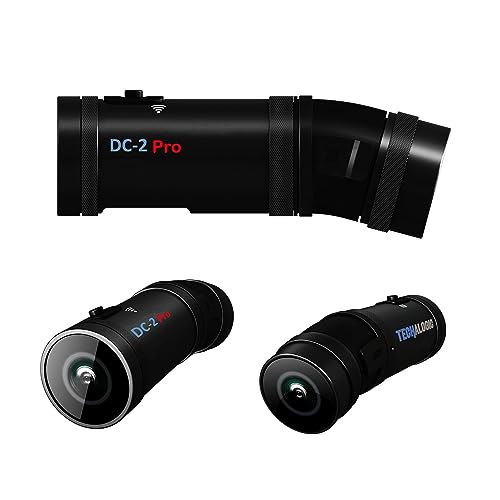
The TECHALOGIC DC-2 Pro builds on the DC-1 concept with a dual-camera setup. It records both front and rear views in 2K QHD, expanding the rider’s field of vision for safer riding and more complete footage. Designed to attach to most cycle, riding, and motorbike helmets, this model supports seamless loop recording and up to 128GB microSD storage, ensuring extended rides are captured without interruption. The dual 140-degree front and rear lenses provide a broad view, with playback including a wide, almost 280-degree perspective. Sony Starvis IMX307 sensors deliver high-quality video in day or night conditions, and an integrated mic adds audio to every clip. This camera is suitable for horse riding as well as other activities where helmet-mounted footage is valuable.
Key considerations for this model include battery life expectations, the need for a compatible microSD card, and the importance of a secure helmet mount given horse movement. The DC-2 Pro’s upgraded sensors and dual-channel recording make it a strong option for riders seeking more context around a ride, including what happens both in front of and behind them.
DC-1 Dual Lens: First Of Its Kind

The TECHALOGIC DC-1 represents an early twin-camera solution for helmet-based recording, enabling front and rear capture to enrich ride footage. With 140-degree lenses on both sides, the DC-1 supports a wide field of view for comprehensive situational awareness during horse riding or cycling. It uses Sony Starvis IMX307 sensors to maintain good video quality in various lighting, delivering 1080p HD output. A built-in microphone adds synchronized audio, and loop recording ensures important events aren’t missed. Compatibility with a wide range of helmets makes this model a flexible choice for riders who want a proven dual-lens approach, though users should confirm storage needs with a microSD card upgrade if planning long sessions.
When evaluating the DC-1, consider whether your riding style benefits most from front-only or front-and-rear perspectives, and whether 1080p resolution meets your expectations for sharing or archiving footage.
Recall Rider: 4K Horse Riding Camera
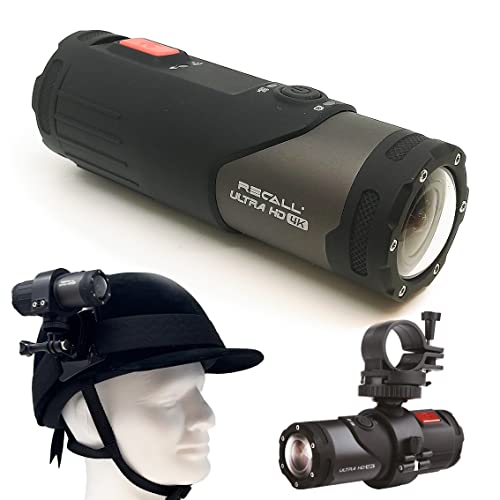
The Recall Rider Camera offers a robust option for those wanting 4K recording capabilities. Attachable to handlebars, helmets, or horse riding hats, this camera provides a first-person perspective and is designed to withstand the rigours of riding conditions. Features include easy control, extended battery options, built-in WiFi for quick angle adjustments via a smartphone, and a waterproof housing to handle adverse weather. The device is aimed at riders who require high-resolution footage to capture detailed environments, interaction with terrain, and action sequences on or off-road. As with other action cams, confirm the compatibility of mounting hardware with your helmet type before purchase.
Important considerations include battery life under 4K recording, storage requirements for longer rides, and how often you’ll need to adjust settings during a session to optimize video capture.
ABSAMAYS 1080P Helmet Cam

The ABSAMAYS helmet camera focuses on reliable 1080P recording with a wide 120-degree field of view. Its lightweight, durable design makes it well-suited to riders who want a low-profile device mounted on a helmet or handlebar. The camera is described as water-resistant, contributing to durability in varied UK weather conditions. This option is positioned for riders seeking straightforward operation, stable footage, and a compact form factor without sacrificing essential video quality. For equestrian use, ensure the mounting method aligns with your helmet design and safety gear to maintain balance and comfort during rides.
Consider how important compact size and ease of use are for you, versus higher resolutions and broader field of view that some other models offer. The ABSAMAYS provides a practical balance for many riding scenarios.
Winnes 1080P: Cycle And Horse Riding

The Winnes Cycle Motorbike Camera delivers 1080P video with a 120-degree wide-angle lens and loop recording, designed for extended use during rides. Its compact form is suited for wearing on a helmet or mounting on a bicycle or horse riding gear. The device emphasises durability and a straightforward user experience, with wireless app connectivity for quick viewing and sharing. If you value continuous recording over long sessions, the loop feature helps manage memory by overwriting older footage once capacity is reached. Battery life and storage capacity are practical factors to verify before choosing this model for frequent riding use.
Buying Guide
Key purchase considerations when selecting a helmet camera for horse riding include:
- Video resolution and sensors: Prioritise cameras with high-quality sensors (e.g., Sony Starvis) for clear footage in varied light conditions. Dual-lens designs offer broader situational awareness, important for riding safety.
- Field of view: Wide-angle lenses (120–140 degrees) capture more of the surroundings and the rider’s path, which is useful for training and safety analyses.
- Durability and weather resistance: Riding can expose gear to rain, mud, and rough handling. A waterproof or weather-resistant build extends device life.
- Mounting compatibility: Ensure the camera mounts securely to your helmet or riding gear without compromising balance or comfort. Check helmet compatibility and available mounting options.
- Storage and battery life: Confirm microSD capacity (often up to 128GB or more) and realistic battery life for typical ride durations. Consider loop recording if rides exceed storage or time limits.
- Connectivity: Built-in WiFi or App control aids in adjusting angles, reviewing footage on the go, and quick sharing after rides.
- Video stabilization: If available, stabilization helps reduce shakiness from riding motion, improving viewing quality for end users and judges in events.
- Price-to-feature balance: Dual-lens and higher-resolution models deliver more context but may cost more. Balance your needs with budget.
When comparing options, consider your typical riding environment (trail, arena, cross-country), the level of detail you need in footage, and how you plan to share or analyse the videos. For horse riding, a dual-lens solution with reliable stabilization and robust mounting options often provides the most practical blend of safety awareness and footage quality.