Keeping goggles fog-free is essential for steady performance whether you’re swimming laps, training for triathlons, or enjoying a family pool day. The following products are popular UK picks featuring anti-fog tech, comfortable seals, and reliable UV protection. This guide highlights key features and practical considerations to help you choose a model that stays clear and comfortable in the water.
| Product | Brand | Key Benefit |
|---|---|---|
| CRESSI Premium Anti Fog For Diving Masks | Cressi | Gel-based anti-fog for masks and goggles |
| AMERITINS Swimming Goggles | AMERITINS | Anti-fog protection with UV protection and case |
| Lorrtta Wide Vision Swimming Goggles 2 Pack | Lorrtta | Ultra-wide 180° vision with anti-fog coating |
| OMID Swim Goggles, Polarized | OMID | P2 polarized anti-fog and UV protection |
| Speedo Biofuse 2.0 Swimming Goggles | Speedo | Biofuse comfort, anti-fog and anti-leak design |
When selecting anti-fog goggles, consider fit, field of vision, anti-fog longevity, and how the product handles leaks or pressure. The following sections detail five top choices and how their features translate into everyday swimming scenarios.
Cressi Premium Anti Fog For Diving Masks

The Cressi Premium Anti Fog product is described as a gel-based anti-fog solution suitable for dive masks and swimming goggles. It also claims compatibility with various visors and effectiveness against fogging and misting. This type of treatment is practical for divers and pool swimmers who need a lightweight solution without significantly altering lens clarity. For those who prefer routine maintenance, applying anti-fog gel before sessions can help maintain a clear field of view, particularly in cooler pool environments where condensation is common. The ease of use—small gel applications that do not require removal of goggles—appeals to both casual swimmers and divers who value speed and efficiency in preparation.
In practice, users may notice improved visibility early in a session, with performance dependent on seal quality and lens material. As with any anti-fog product, repeated reapplication may be necessary for longer sessions or after contact with lotions or hair products. The gel approach tends to be straightforward and pocket-friendly for on-the-go swimmers, and it complements standard anti-fog coatings on many lenses.
AMERITINS Anti-Fog Swimming Goggles

Ameritins presents a single-pack option designed for adults, with emphasis on comfort, anti-fog protection, and UV shielding. The silicone cushions and seals are described as minimising leakage and eye pressure, which supports longer swim sessions. The anti-fog feature aims to prevent clouding, while UV protection contributes to safer outdoor swimming. A protective case is included, aiding transport between sessions—an accessible benefit for regular swimmers, club members, or fitness enthusiasts who travel to different pools. The product notes modern construction and durability, suggesting suitability for frequent use or family members who require a reliable pair for both recreational and training contexts.
From a performance perspective, the comfort-focused design can reduce adjustments mid-swim, helping maintain a consistent technique. Anti-fog performance may depend on environmental conditions (chlorine levels, sanitizer, or soap residue on the lenses), so users should store and rinse goggles appropriately between sessions. The kit’s case adds value for those who want to keep their goggles scratch-free and ready for the next swim.
Lorrtta Wide Vision Swimming Goggles 2 Pack

These goggles are marketed with an ultra-wide 180-degree view, designed to enhance underwater visibility for a more confident swim. The anti-fog coating is described as increasing clarity, with claims of a 30% improvement in fog resistance. The product emphasizes a leak-proof, comfortable silicone seal and an adjustable strap to fit different face shapes, which helps maintain a secure seal during various strokes. The two-pack format is advantageous for families or swimmers who want spare lenses ready for different lighting conditions or lane setups.
Practically, wide-vision goggles are particularly useful for open-water training or pool sessions with lane lines. The combination of anti-fog technology and a soft silicone seal can reduce distraction from fog and water ingress. It’s important to ensure a proper fit to maximize the seal, especially during longer workouts where pressure build-up on the temples can become uncomfortable for some users.
OMID Polarized Swim Goggles
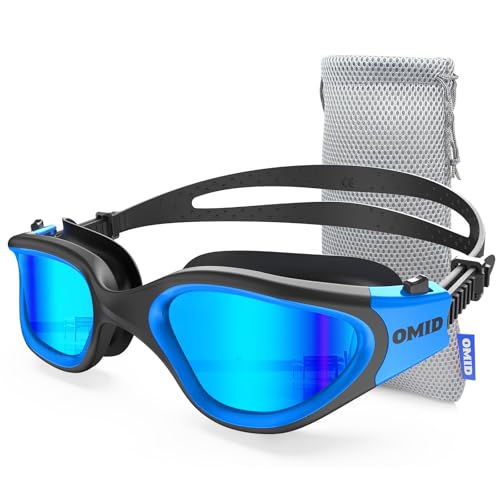
OMID’s Polarized Swim Goggles are designed to reduce glare with polarized lenses, offering protection against intense sun and reflections for outdoor swims. The goggles use a non-slip silicone strap and a flexible nose bridge to accommodate different face shapes, distributing pressure evenly for comfort. An advanced anti-fog treatment is highlighted to prevent lens steaming, enabling clear underwater visibility without frequent reorientation. The combination of polarization, UV protection, and anti-fog technology makes these suitable for outdoor training, triathlon practice, and leisure swimming in bright environments. Users should assess their preference for polarization, as some swimmers prefer non-polarized lenses for easier lens cleaning or different color perception in indoor pools.
Fit consistency is a key factor with these goggles; the non-slip strap and adaptable bridge support a secure seal during rapid movements. However, as with many anti-fog products, performance can vary with lens coatings and maintenance. Rinsing after each session and avoiding harsh chemicals can help preserve the anti-fog coating and extend usability across multiple sessions.
Speedo Unisex Biofuse 2.0 Goggles

Speedo’s Biofuse 2.0 line centres on a flexible, comfortable fit with an emphasis on stability and long-wearing comfort. The design integrates soft seals with a newly engineered groove pattern to maintain a secure seal and reduce leakage. The internal frame is described as flexible and able to adapt to different facial contours, supporting a snug fit across various head shapes. Anti-fog properties are part of the package alongside anti-leak features, contributing to clearer vision during continuous swimming. This model is well-suited for regular pool routines where a dependable fit and durable materials are prioritized.
Potential users should consider the balance between comfort and field of view. While Biofuse aims to deliver a comfortable seal, the overall fit can vary with face shape; trying different sizes or adjusting the strap tension can help achieve optimal performance. The combination of anti-fog and anti-leak design is beneficial for athletes who require minimal interruptions during workouts and reliable open-water visibility when paired with appropriate indoor lighting or outdoor sun exposure.
Buying Guide: Anti-Fog Goggles — What To Look For
Key factors influence the effectiveness and longevity of anti-fog goggles. This guide highlights aspects to consider when comparing models and brands.
- Anti-fog technology: Evaluate coatings on both the lenses and any gel or spray products. Some goggles rely on coating alone, others use pre-swim application aids. Longevity varies by use and maintenance.
- Lens type and vision: Ultra-wide or 180-degree lenses improve peripheral awareness, especially for open-water training, while indoor lanes may benefit from standard lenses with clear visibility.
- Fit and seal: Silicone seals and adjustable straps determine leak resistance. Comfort over long workouts depends on how evenly pressure is distributed around the eyes.
- UV protection: Outdoor swimmers benefit from UV-blocking properties, reducing glare and eye strain in bright environments.
- Durability and maintenance: Look for scratch-resistant lenses and materials that resist chlorine and facial oils. Proper rinsing and storage extend anti-fog performance.
- Pack contents: Some sets include protective cases or spare straps, an advantage for families or frequent travelers.
- Intended use: Distinguish between diving masks, swim goggles for pool use, and open-water options. Polarized lenses suit bright outdoor sites, while non-polarized may be preferred for indoor pools.
User experiences often underscore the importance of fit, since even the strongest anti-fog treatment cannot compensate for a poor seal. For beginners, starting with a comfortable pair and validating the fit in a few sessions helps establish a reliable baseline. Regular maintenance—rinsing with fresh water, avoiding abrasive cleaners, and storing in a protective case—can preserve anti-fog properties and lens clarity over time.