The right strings can transform a beginner’s experience, making learning smoother and more enjoyable. This guide highlights top beginner‑friendly electric guitar strings available on Amazon UK, focusing on light to medium gauges that are easier on fingertips, stay in tune, and deliver reliable tone for practice and early gigs. We compare popular brands, gauge options, and materials to help players choose strings that suit their style and commitment level. All picks are widely used by beginners and seasoned players alike, providing dependable performance as you develop technique and confidence.
| Product | Brand | Gauge | Why It’s Beginner Friendly |
|---|---|---|---|
| Ernie Ball Super Slinky Nickel Wound Electric Guitar Strings – 9-42 | Ernie Ball | 9-42 | Light enough for easy fretting, common in popular models, great for lead practice. |
| Ernie Ball Regular Slinky Nickel Wound Electric Guitar Strings – 10-46 | Ernie Ball | 10-46 | Industry standard, balanced tension, versatile for many styles. |
| Fender Super 250 Electric Guitar Strings, 9-42 Gauge | Fender | 9-42 | Bright, dynamic tone with smooth feel for beginners exploring rock tones. |
| D’Addario EXL110 Nickel Wound Electric Guitar Strings, Regular Light | D’Addario | 10-46 | Bestselling, hex-core for intonation stability, versatile for many genres. |
| Rotosound Nickel Super Light Gauge Electric Guitar Strings (9-42) | Rotosound | 9-42 | Silky feel, popular for beginners and stage performers alike. |
Legendary Slinky Feel

Ernie Ball Super Slinky strings are among the most recommended for beginners due to their light tension and easy playability. The 9-42 gauge set reduces finger effort during fretting and bending, helping new players avoid fatigue during practice sessions. They are well known for a balanced tonal character that suits clean rhythm work and expressive leads. The packaging uses Element Shield to maintain freshness, preserving tone and longevity from box to guitar, which is beneficial for learners who practice irregularly.
Industry Standard Tension

Ernie Ball Regular Slinky strings at 10-46 gauge offer a balanced approach: enough tension for solid intonation and feedback control, yet still forgiving for beginners. The 10‑46 set is a standard across many guitar models, often providing dependable string life and a versatile voice suitable for blues, rock, and pop practice. The same Element Shield packaging helps keep the strings fresh, an advantage for learners who stock up in advance or store sets for future practice sessions.
Bright Dynamic Tone

Fender Super 250 strings deliver a bright, dynamic tone with a smooth playing feel, making them a popular choice for beginners exploring rock and blues textures. The 9-42 nickel-plated steel construction provides clear bite and snap, helping new players push through muddy tones that sometimes occur with heavier gauges. The “high output” character can assist with fuller amp tones when learning early solos and rhythm parts, while still staying friendly to fingertips for initial weeks of practice.
Versatile Bright Tone
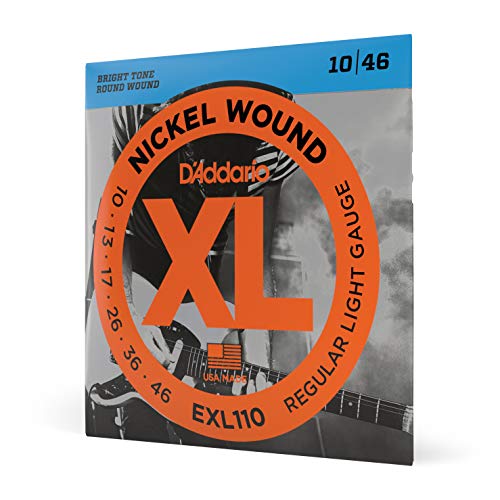
D’Addario EXL110 Regular Light strings are a long-time favourite for beginners due to their reliable performance and hex-core construction. The 10-46 gauge offers comfortable tension without excessive stiffness, enabling smoother fretting and bending. Nickel-wound wrap wire delivers a bright, versatile tone suitable for various genres, from clean blues to overdriven rock. The string construction emphasizes intonation stability and durability, supporting consistent play as new players build technique and accuracy.
All‑Round Uk String

Koprek offers a six‑string electric set that aligns with the classic 9-42 gauge, providing a familiar, easy feel for beginners. The larger feature here is the included picks and the robust construction, which helps new players practice rhythm and chord changes with confidence. While not as widely known as the biggest brands, the combination of gauge and build quality makes them a practical option for players who want a straightforward, comfortable starting point without compromising tone or durability.
Buying Guide: Key Factors For Beginners
- Gauge and tension: Lighter gauges (9-42, 9-46, or 10-46) reduce finger fatigue and make fretting easier, which is crucial for beginners still building hand strength and accuracy. If you plan to bend notes frequently, aim for 9-42 or 9-46 sets.
- Material and tone: Nickel-wound strings offer bright, balanced tone suitable for most genres. Nickel can also be more forgiving for beginners due to its smooth feel on the fretboard. If you want a slightly mellower or smoother feel, consider be aware of alternatives within the same gauge family.
- Durability and longevity: Modern packaging often includes protective packaging to maintain freshness. Fresh strings tend to stay in tune longer and feel more responsive, which can boost confidence in practice sessions.
- Tension stability: Hex-core designs (as used by D’Addario XL nickels) contribute to stable intonation, especially important for learners who work across different tunings and practice routines.
- Brand familiarity vs. variety: Established brands (Ernie Ball, Fender, D’Addario) provide consistent availability and familiar feel, while lesser-known brands may offer good value. Beginners should prioritize feel and playability, then explore brands as skills mature.
Additional Considerations
- Maintenance: Wipe strings after playing to remove sweat and oils. This helps extend string life and maintain tone between changes.
- Replacement frequency: Beginners typically change strings every 2–6 weeks depending on playing frequency, amp settings, and genre. If your strings feel dull or sound out of tune often, it might be time for a fresh set.
- Compatibility: Ensure gauge compatibility with your guitar’s scale length and nut slots. Most standard scales handle 9–46 gauge sets without modification, but a longer scale length can add tension that affects feel.
- Practice goals: If you focus on rhythm and chord changes, go with lighter gauges. If you’re aiming for lead playing and bending, you might experiment with slightly heavier gauges to build finger strength.