Porcelain tile projects demand the right drill bits to prevent cracking and achieve clean holes. This guide covers five reliable options from well-known brands, focusing on dry and wet drilling capabilities, durability, and ease of use. Each entry includes practical details to help you choose the best drill bits for porcelain tiles, marble, granite, and other hard surfaces. The list is tailored for UK readers seeking durable tools that reduce breakage and deliver precise results on ceramic and porcelain surfaces.
| Product | Brand | Key Feature | Best For |
|---|---|---|---|
| HPMAISON Tile Drill Bit | HPMAISON | ||
| Diamond Drill Bit 6mm (BRSCHNITT) | BRSCHNITT | ||
| Zeeorymn Diamond Bits Set | Zeeorymn | ||
| ColumPRO Porcelain Tile Drill Bits | ColumPRO | ||
| SabreCut Tile Drill Bits Set | SabreCut |
HPMAISON Tile Drill Bits

HPMAISON offers a carbide-tipped alloy head designed for longevity and sharpness. The U-type slot design aids in fast dust removal, while a triangular handle enhances stability during operation. This set is versatile, capable of penetrating porcelain ceramic tile, glass, mirrors, plastic, masonry, and wood. For drilling into harder materials like concrete, water lubrication is recommended to prolong bit life. The range covers multiple diameters (3/4/5/6/6/8/8/10/10/12mm), making it suitable for a variety of tile projects in UK homes and renovations.
Key considerations for this product include durability, dust management, and broad applicability. Carbide tipped bits resist wear better than standard steel, and the design helps maintain control on ceramic surfaces. While dry drilling is feasible, water lubrication is advised on especially hard substrates to prevent overheating. This makes HPMAISON a solid, all-round option for interior tiling projects that require reliable, repeatable results.
BRSCHNITT Diamond Tile Bit

This diamond drill bit is designed for dry drilling with a 6mm diameter and M14 threading. The vacuum brazed diamond tip provides high performance when drilling through porcelain tile, ceramics, marble, granite, and stone. Water can extend tool life, and the core steel body enhances durability and efficiency. The hexagonal core ensures compatibility with a range of drills, improving grip and stability. Operators can expect cleaner holes with reduced risk of tile cracking due to improved cutting control and resistance to heat buildup.
Consider the drilling environment: dry drilling is convenient, but using water occasionally can help preserve the bit and bit life over longer projects. The M14 threading suits many professional grinders and drill adapters, and the diamond composition is well-suited for hard tile and stone materials encountered in bathroom and kitchen renovations across the UK.
Zeeorymn Porcelain Tile Bits Set

Zeeorymn’s set features built-in cooling wax and rust-proof coating, designed to boost drilling performance and longevity. The kit includes several sizes (4 bits: 2×6mm, 8mm, 10mm plus a carbide bit), with diamond grit rated at 50/60. The wax lubricant melts during dry drilling to cool the cutting surface, while the rust-resistant coating supports faster cutting speeds and longer service life. This combination aims to deliver efficiency for both heavy-duty and home renovation tasks involving hard materials like porcelain and granite.
Users should note the value of multiple sizes in a single kit, allowing gradual enlargement of holes and reducing the risk of tile fracture from abrupt bit progression. The kit’s versatility makes it suitable for professional tiling work as well as DIY projects in kitchens, bathrooms, and utility areas where porcelain surfaces are common.
ColumPRO Porcelain Tile Bits Set

ColumPRO markets a five-piece diamond drill bit set with dry drilling capability. The front and back contain built-in cooling wax, removing the need for continuous water cooling. This feature helps to prevent overheating and maintains bit integrity when penetrating ceramic and porcelain glaze. The bits are described as high-quality, sturdy, and designed to resist breakage, enabling easier penetration of hard glaze surfaces. The regular 6mm size is common for standard fixing holes, sockets, and fixtures in tiled walls and floors.
The dry drilling capability reduces the hassle of water management, though users should monitor cutting temperatures on longer sessions. ColumPRO’s bits are geared toward both professional tilers and DIY enthusiasts who want reliable, repeatable performance without frequent replacement.
SabreCut Tile Drill Bits Set
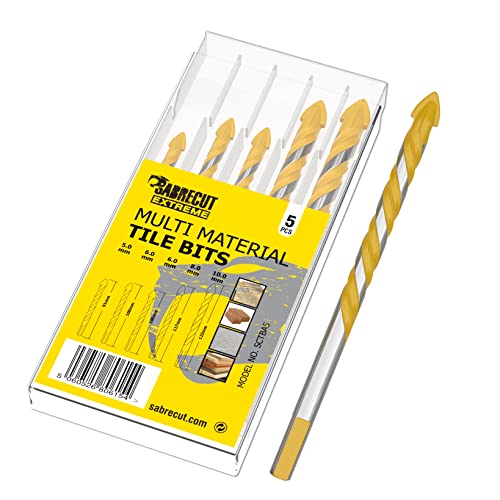
The SabreCut set emphasizes multi-material capability. It includes five bits of varying sizes (5mm, 6mm, 8mm, and 10mm) with lengths tailored for tile work. The kit aims to deliver robust performance across ceramic, porcelain, granite, and marble, combining carbide or diamond edges with practical storage and handling. The variety in this pack helps users tackle multiple drilling tasks without swapping bits frequently, a benefit for renovation projects where different hole sizes are required for fixtures, anchors, and fittings.
As with other tile-specific bits, performance is influenced by the material being drilled and whether dry or wet drilling is used. SabreCut’s range provides an approachable option for homeowners who prefer a complete set for tiled spaces, balancing versatility with straightforward operation.
Buying Guide: Key Purchase Considerations
When selecting drill bits for porcelain tiles, several factors affect performance and longevity. First, consider material type: carbide-tipped versus diamond-coated bits offer different wear profiles. Diamond bits excel on hard porcelain and stone, while carbide bits are typically more affordable and adequate for softer ceramic tiles. Second, assess cooling needs. Dry drilling is convenient, but wax-coated or water-assisted options can extend life and reduce heat buildup. Third, ensure shank compatibility. Hex shanks and M14 threads are common and should match your drill or grinder. Fourth, size range matters. A set with multiple sizes minimizes the risk of cracking the tile by starting with a smaller bit and progressing gradually. Fifth, look at durability features such as rust-resistant coatings and slot designs that aid debris removal. Finally, select a kit that aligns with your project size—whether a single bathroom renovation or ongoing tiling work across rooms. For UK projects, consider local availability, replacement parts, and warranty from reputable brands to ensure long-term reliability.
In terms of application perspective, dry drilling reduces mess and simplifies setup, but may demand more caution to avoid overheating on dense porcelain. Wet drilling or intermittent cooling typically yields smoother holes with less risk of glazing flake. For most domestic tiling tasks, a mixed approach—dry initial penetration with cooling during deeper cuts—provides a practical balance. Compare sets by included sizes, ease of use, and how well they handle hard glaze finishes common in porcelain tiles. This approach helps ensure cleaner holes and less tile damage, supporting durable, professional-looking results in UK homes.