Dolls can offer comfort, familiarity, and a soothing routine for people living with dementia. This guide highlights five doll options that balance lifelike features with gentle, comforting play. Each product is selected for ease of handling, safety, and potential for reminiscence or sensory engagement. Read on to compare sizes, materials, and handling details to help choose the right doll for daily routines and calm moments.
| Product | Brand | Size | Key Feature |
|---|---|---|---|
| Pinky Reborn 20-Inch Doll | Pinky Reborn | 20 inches / 50 cm | Silicone vinyl, soft jointed body |
| Anano 20-Inch Realistic Doll Maddie | Anano | 20 inches / 50 cm | Soft vinyl head, weighted body |
| Teeny Baby Tiny Tears 30cm | John Adams | 30 cm | SLEEPING EYES, soft body |
| Baby Soft 38cm Tiny Tears | John Adams | 38 cm | Soft bodied, deluxe outfit |
| Petal 18-Inch Doll | The Magic Toy Shop | 18 inches | 16 baby sounds, soft vinyl |
Pinky Reborn 20 Inch Doll

The Pinky Reborn doll is a 20-inch soft vinyl and cloth-bodied infant-style figure, designed with a gentle, lifelike presence. It features a soft vinyl head and limbs with a jointed cloth body, and hand-rooted hair to provide a tactile, comforting feel. With a lightweight weight around 1.2 kg, the doll is manageable for hand-based interaction, dressing, and gentle cradling. Note that it is not bath-safe, so care routines should be careful and supervised. This model appeals to reminiscence through familiar baby-appearance cues and simple, sensory exploration.
TNBUENO Dementia Activity Board

While primarily a sensory- and cognitive-activity tool, the TNBUENO board is included here for its relevance to dementia care routines alongside dolls. The set features 24 cards across 48 topics and multiple play styles, aimed at sustaining cognitive engagement and social interaction. It supports reminiscence through familiar topics and provides a structured, adaptable activity that can complement doll-based therapy or comfort routines. This item helps diversify engagement while maintaining a calm, predictable play environment.
Teeny Baby Tiny Tears 30cm
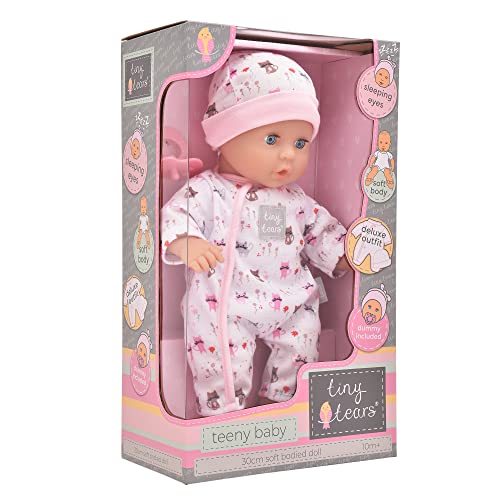
John Adams’ Teeny Baby Tiny Tears is a cuddly 30 cm soft-bodied doll, designed for gentle handling and comforting play. Key features include sleeping eyes that close when laid down, enhancing a soothing, bedtime-like experience. The soft body makes it easy to cradle and hold, while its approachable size supports daily routines and familiar caregiving roles. The design emphasizes warmth and companionship, making it suitable for reminiscence and comfort-focused activities for dementia patients.
Baby Soft 38cm Tiny Tears

The 38 cm Baby Soft Tiny Tears is a larger soft-bodied doll from John Adams, dressed in a cosy pink outfit. Its plush body supports comfortable cradling and repetitive handling, which can be soothing for some dementia patients. The larger size can aid grip and provide a tangible focal point during familiar routines, such as feeding play or bedtime, helping to reinforce routine and provide visual and tactile cues during care tasks.
Petal 18-Inch Doll

Petal is an 18-inch baby doll with a soft vinyl body and a pink outfit, designed for both girls and boys. It offers engaging realism in a compact size that can be easily handled. With 16 baby sounds and accompanying accessories, Petal adds sensory richness to play and reminiscence activities. The doll’s cuddly feel and interactive features support comforting routines and gentle, imaginative play, which may resonate with residents who associate dolls with nurturing roles or familiar family patterns.
Buying Guide: Key Considerations When Choosing Dolls For Dementia Care
- Size and weight: Choose a doll that is easy to handle and not too heavy. Sizes around 20 inches (50 cm) strike a balance between realism and portability for daily interaction.
- Materials and textures: Look for soft vinyl, cloth bodies, and rooted hair for a soothing tactile experience. Ensure materials are easy to clean and safe for the user.
- Durability and care: Consider how the doll stands up to daily handling, washing (where applicable), and potential rough use. Not all dolls are bath-safe; plan care routines accordingly.
- Realism vs. simplified features: More lifelike dolls can evoke reminiscence, while simpler designs may be easier to grasp and manipulate. Assess the user’s preferences and cognitive needs.
- Engagement options: Dolls with additional interactive features (such as sounds) can enrich sensory experiences. Weigh the benefits of sound against potential overstimulation.
- Safety standards: Ensure toys meet UK/EU safety guidelines and are free from small parts that could pose choking hazards for certain users.
- Care routines compatibility: If the user benefits from consistent routines, select dolls that suit daily tasks like dressing, feeding, and gentle rocking without demanding complex care.
- Cost and maintenance: Consider long-term value, replacement parts, and ease of cleaning. Durable dolls with straightforward care routines often offer better longevity.
- Personal history and reminiscence: Choose dolls resembling familiar caregivers or times from early life to support recall and emotional comfort.