Finding a reliable bike GPS for navigation can transform rides across the UK, from countryside lanes to city routes. This guide highlights five popular models with strong navigation features, weather resilience, and long battery life. Each product section below summarises core capabilities and what riders should consider when choosing. Details focus on map quality, routing reliability, screen usability, connectivity and battery longevity to help you ride confidently, even on unfamiliar routes.
| Product | Brand | Key Features | Battery Life |
|---|---|---|---|
| Beeline Velo 2 | Beeline | Turn-by-turn navigation, rerouting, glove-friendly controls | 11+ hours |
| Garmin Edge Explore 2 | Garmin | Preloaded maps, eBike compatibility, ride-type maps | Variable by use |
| CC600 | GEOID | 2.4″ color screen, route re-route, extensive display options | Not specified |
| CS500 | CooSpo | GPS + Beidou + GLONASS + Galileo, long battery life, radar compatibility | 45 hours |
| BSC300T | iGPSPORT | Touchscreen, offline maps, e-bike support | Not specified |
Across these options, UK riders should weigh map coverage for local routes, ease of use on the handlebars, and how well the device maintains navigation if the signal dips. Read on for in-depth product insights and practical buying tips tailored to British cycling needs.
Beeline Velo 2: Intuitive Navigation

The Beeline Velo 2 focuses on straightforward, reliable navigation for cyclists who want clear directions without complexity. It offers intuitive turn-by-turn guidance that helps you follow routes even if you temporarily lose signal. The device is built to be weatherproof, with a design that suits glove users, and it supports quick rerouting to return to the intended path within seconds. Data tracking is enabled so riders can log rides and share results to Strava, supporting post-ride analysis and comparison against prior routes.
Key considerations include the reliability of its offline guidance when mobile reception is weak, and how it handles longer rides in rural Britain where signal could be sporadic. The Velo 2 is designed to plug into the Beeline ecosystem with mobile-device connectivity for extended navigation features, making it a strong choice for riders who prioritise simple navigation and durable build.
Garmin Edge Explore 2: Maps On The Move
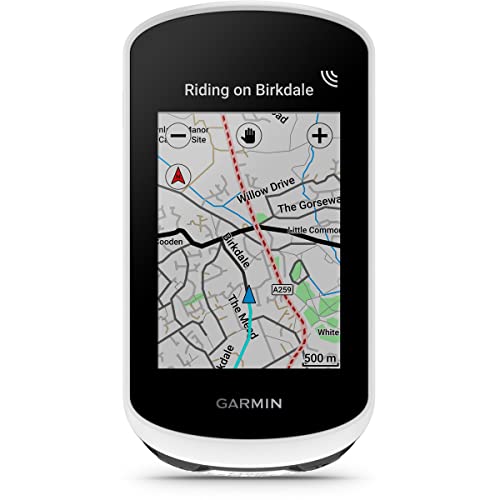
The Garmin Edge Explore 2 provides a robust navigation experience with a glove- and rain-friendly 3-inch touchscreen that remains readable in bright sunlight. Preloaded maps cover a wide range of roads and trails, with specific ride-type maps to help you discover popular routes and local points of interest. The device supports eBike routing and enhanced safety features, making it suitable for mixed-terrain riding and urban commutes. Setup is straightforward, and Garmin’s ecosystem allows easy integration with other devices and apps, enabling seamless data sharing and route planning.
For UK users, map relevance and route suggestions in popular cycling corridors matter. The Edge Explore 2 delivers practical navigation, plus a familiar Garmin interface and reliable satellite reception, which helps when exploring less-known regional routes or ferry-to-ferry trips around coastal communities.
CC600: Colourful Navigation Display

The GEOID CC600 emphasizes a vivid 2.4-inch color screen with durable glass and a simple three-button layout. Colorful route navigation helps keep critical turn details visible, making it easy to follow prompts on busy roads or scenic back lanes. It supports uploading GPX files via mobile apps and has a flexible data presentation system with multiple pages and layouts, enabling riders to tailor information like speed, distance, elevation, and time to their preferences.
Riders should consider the convenience of accessing route re-routing when off-course and how well the device integrates app-based route updates. The CC600’s broad data display options appeal to riders who enjoy tracking performance with detailed charts and want a compact, easy-to-read navigation companion on busy UK roads.
CS600: Color Touchscreen GPS Navigation

The COOSPO CS600 uses a 2.4-inch color touchscreen with auto-backlight for optimal visibility in varying light conditions. It provides precise GPS tracking with multiple satellite systems to ensure fast signal acquisition and reliable data on speed, distance, and routes. Built-in navigation supports route uploads or breadcrumb trails to guide riders, and the interface is designed to prevent off-course excursions. The interface supports bike radar compatibility and additional sensors, expanding data capture for more serious training or daily commuting.
Battery life is a practical factor for longer UK rides, and the CS600’s navigation clarity combined with robust GPS coverage helps you plan or adjust routes on the go, making it a versatile option for daily commuting and weekend adventures alike.
CS500: Long-Lasting, Multi-Sensor Navigation

The COOSPO CS500 combines GPS with multiple satellite systems (GPS, Beidou, GLONASS, Galileo, QZSS) to deliver precise navigation and route tracking. It supports a rich set of data with preloaded maps and turn prompts to guide riders safely to their destination. The CS500 also supports external sensors for heart rate, cadence, and power monitoring, broadening its appeal to performance-focused cyclists. A notable feature is extended battery life, with up to 45 hours reported in typical usage scenarios, which suits longer endurance rides or multi-day trips across the British countryside.
Considerations include battery management on longer tours, the reliability of route prompts in remote areas, and how easily you can upload & manage routes with Beidou/GPS data. The CS500 is a compelling option for riders who want extensive sensor integration and long endurance capability.
Buying Guide for Bike GPS Navigation
- Map coverage and updates: Check whether maps cover UK and European routes, plus the availability of offline maps for signal-challenged areas like tunnels or rural roads.
- Navigation features: Look for turn-by-turn guidance, rerouting speed, breadcrumb trails, and the ability to upload GPX routes or use preloaded road and trail maps.
- Screen readability and controls: Consider screen size, color clarity, glove-friendly buttons, and touchscreen usability in sun or rain. A readable interface reduces navigation errors on busy roads.
- Battery life: Estimate real-world usage for typical rides and long-distance tours. Devices with 8–12 hours or more are advantageous for full-day rides.
- Connectivity and ecosystem: Evaluate how easily the device pairs with smartphones, app integrations, and data-sharing platforms such as Strava or Garmin Connect. Bluetooth and ANT+ support can be important for sensors.
- Durability and weatherproofing: UK weather demands robust builds with splash resistance or waterproof ratings suitable for rainy commutes and muddy trails.
- Bike type and compatibility: Ensure the device supports your bike type (road, gravel, e-bike) and has proper mounting options, including out-front and stem mounts.
- Sensor compatibility: If you use cadence, heart rate, power meters, or radar, verify sensor support and data compatibility with your preferred training apps.
- Ease of use vs. feature depth: Some riders prefer ultra-simple interfaces; others want advanced analytics. Balance your technical needs with daily usability.
- Price and support: Consider warranties, firmware updates, and customer support quality. A well-supported device reduces long-term maintenance concerns.
Choosing the right bike GPS for navigation depends on how you ride: daily commutes, weekend exploration, or endurance events. The products above offer varied blends of maps, screens, battery life and sensor compatibility, helping you pick a device that aligns with your riding style and UK terrain.