Finding the right weightlifting belt can impact stability, form, and performance in Olympic lifting. This guide highlights top self-locking and quick-locking belts from reputable brands, focusing on models suitable for UK competitions and training. Each product section explains design features, how they support intra-abdominal pressure, and suitability for men and women. Use the buying guide to compare options based on buckle reliability, width, material, and competition eligibility.
| Product | Brand | Main Benefit | Link |
|---|---|---|---|
| Element 26 Purple Self-Locking Belt | Element 26 | Self-locking security for reliable lifts | View |
| Element 26 Lilac Self-Locking Belt | Element 26 | Competition approved and durable | View |
| Element 26 Green Self-Locking Belt | Element 26 | Uniform 4-inch profile for stability | View |
| Gymreapers Quick Locking Belt | Gymreapers | Fast locking and consistent support | View |
| Titan Armour Self-Locking Belt | Titan Armour | Durable nylon, no-notches design | View |
Element 26 Purple Self-Locking Belt
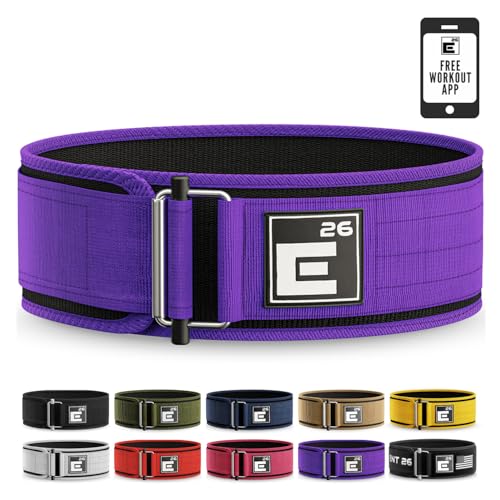
The Element 26 Self-Locking Weightlifting Belt employs a self-locking buckle designed to resist accidental release during heavy Olympic lifts. The buckle releases immediately via a release roller, but will not open or slip under load, reducing belt-related interruptions in sets. Designed to produce uniform abdominal pressure, the belt adopts a 4-inch width to maximize stability across the core. It is explicitly described as competition approved for Olympic lifting and functional fitness events, helping athletes avoid disqualifications or the need to buy a different belt for competitions.
Key features include a robust, non-slip fastening system, a fixed 4-inch profile, and explicit competition compatibility. The belt’s design emphasises creating consistent intra-abdominal pressure rather than acting as a back support. This helps lifters maintain rigid posture during snatches, cleans, and heavy squats. The product is available in multiple colours to suit personal preferences and team branding, while maintaining a uniform tension profile around the waist. Ideal for serious weightlifters who require reliable performance in training and competition.
Element 26 Lilac Self-Locking Belt

This lilac variant mirrors the purple model’s self-locking mechanism, providing a secure, quick-release buckle designed to prevent accidental openings during high-load lifts. The belt emphasises a uniform 4-inch width, which helps distribute pressure evenly across the core, improving stability in Olympic lifts. As with the other Element 26 belts, it is positioned as competition-ready, enabling lifters to use it in sanctioned events without needing to switch equipment. The design focuses on consistent intra-abdominal pressure rather than flexing as a back-support belt.
Performance notes include fast engagement and release, a durable belt body, and a design philosophy aligned with powerlifting and Olympic lifting principles. The Lilac edition retains the same technical advantages as its siblings, appealing to lifters who prefer a lighter or feature-matching option for gym suits or training gear. Suitable for both male and female athletes seeking dependable lock-in during snatch and clean-and-jerk cycles.
Element 26 Green Self-Locking Belt

The green variant continues Element 26’s approach to secure self-locking action and consistent abdominal support. The 4-inch profile is designed to ensure uniform pressure across the core rather than providing back support, aligning with competition guidelines for Olympic lifting. With a straightforward release mechanism and reliable locking, this belt aims to reduce the risk of belt failure during heavy attempts such as cleans, jerks, and squats. It is compatible with standard Olympic lifting events and functional fitness competitions, supporting varied training environments.
Considerations for this belt include its weight, ease of maintenance, and how the colour may fit with club kits or personal preferences. The product provides predictable performance across sets and may be favored by lifters who value stability over additional ergonomic contouring or padding. It suits a wide range of athletes who require a dependable, competition-grade belt for serious lifting sessions.
Gymreapers Quick Locking Weight Belt

The Gymreapers belt focuses on fast locking and consistent core support. Its quick-locking buckle is designed for rapid transitions between exercises, reducing downtime in circuit-style sessions or heavy sets. The belt uses a uniform width around the entire circumference to maintain stability and intra-abdominal pressure during lifts, including Olympic movements. The construction supports various training modalities—from Olympic lifts to cross-training—by offering reliable performance under a wide range of loads.
Key attributes include a user-friendly locking mechanism, a stable four-inch profile, and a commitment to competition testing. Potential buyers should consider sizing charts and how the belt feels in the torso during different lifts, as some lifters prefer a snug fit for front squats and shoulder-to-hip transitions. The product’s versatility makes it a strong choice for athletes who train across disciplines and seek a dependable, easy-to-use belt.
Titan Armour Self-Locking Belt
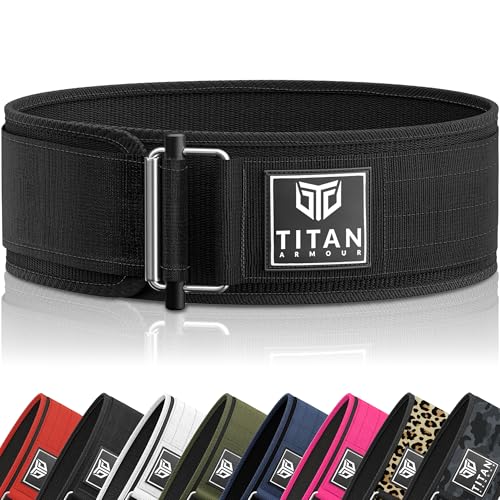
Titan Armour’s self-locking belt uses a fully adjustable all-metal buckle with a quick-release design. The 4-inch width remains constant around the torso to ensure even intra-abdominal pressure and stable lifting mechanics. Constructed from durable nylon, it aims to balance comfort with performance, avoiding the rigidity of leather belts while offering robust support for squats, Olympic lifts, and deadlifts. The belt is designed to move with the lifter, reducing uncomfortable hotspots and allowing a natural range of motion during complex movements.
Considerations for Titan Armour include the belt’s overall wear-resistance, ease of cleaning, and how the quick-release buckle interacts with gym bags and harnesses. Its nylon build tends to be lighter than leather options, making it suitable for athletes who travel with their gear or train in varied environments. This belt is positioned for both men and women seeking reliable, competition-ready performance without complicated adjustment mechanisms.
Titan Armour Leopard Self-Locking Belt

This leopard-pattern Titan Armour belt shares the same core design as other Titan Armour self-locking models, offering a robust 4-inch profile and an all-metal buckle for quick-release security. The emphasis remains on functional versatility, allowing use in CrossFit, powerlifting, and Olympic lifting contexts. The belt’s flexible nylon composition aims to deliver both durability and comfort, with a focus on distributing pressure evenly to support core stability during lifts like cleans, snatches, and squats.
Practical considerations include fit across different torso shapes, the belt’s longevity under repeated high-load cycles, and maintenance requirements. The belt is recommended for lifters who want a reliable, competition-grade option that maintains performance across various training modalities and events.
Titan Armour Grey Camo Self-Locking Belt

This grey camouflage Titan Armour belt models the brand’s commitment to reliable self-locking performance with a 4-inch width and all-metal quick-release buckle. The design prioritises functional fitness and Olympic lifting support, offering a secure fit during heavy sets while remaining comfortable for longer training sessions. It aims to deliver maximum intra-abdominal pressure, promoting stable posture for front and back squats, cleans, and other explosive movements.
Buyers should evaluate whether the belt’s weight, stiffness, and overall feel suit their torso dimensions and lifting style. The belt is well-suited to athletes who require consistent stability in a range of environments, from home gyms to competition floors.
EVO Fitness Dip Belt With Chain
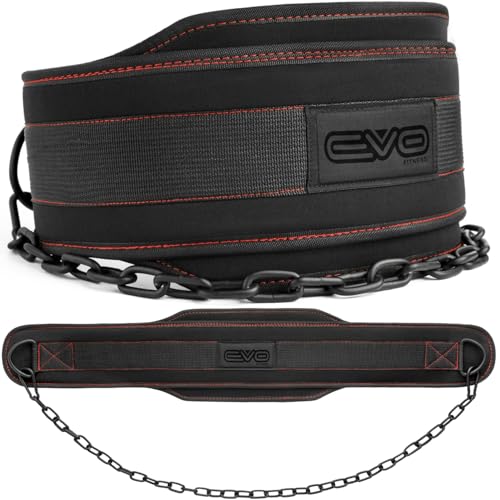
The EVO Fitness dip belt focuses on versatility for dipping and weightlifting movements, with a heavy-duty chain and two carabiners for secure weight adjustments. While primarily marketed for dips, its neoprene construction and adjustable fit can complement Olympic lifting training by providing a different loading option for accessory work or progression drills. The chain system is designed to handle substantial load and allows for precise tuning of resistance during lower-body or upper-body accessory sets.
Considerations include chain length, overall belt comfort around the hips, and compatibility with standard Olympic discs and dumbbells. This model may suit lifters seeking additional loading options beyond a traditional lifting belt, especially for transitional workouts and accessory phases within a training cycle.
Buying Guide: Key Purchase Considerations
- Buckle type and reliability: Self-locking versus quick-release buckles affect how quickly you can lock in and release between sets. Look for durable metal components and a mechanism that won’t slip under high loads.
- Width and fit: A standard 4-inch belt width provides broad core support and effective intra-abdominal pressure. Ensure the belt fits snugly without digging into the hips or limiting range of motion.
- Material and weight: Nylon and high-grade neoprene offer lightweight, durable options with greater flexibility than leather. Consider how the belt feels during front squats and snatch movements.
- Competition compatibility: If you aim to compete, verify that the belt is approved for use in Olympic lifting and related competitions in the UK. This reduces the risk of needing to replace equipment.
- Sizing and adjustability: Check sizing guides and whether an adjustable buckle accommodates different torso shapes and lifter preferences.
- Comfort versus performance: Some lifters prefer minimalist designs for mobility, while others prioritize maximum stability. Choose a belt that aligns with your training style and injury history.
- Maintenance: Consider cleaning requirements and how the belt tolerates sweat, chalk, and repeated heavy use. Elastic or soft edge features may impact long-term durability.
- Support for multiple lifts: If you train across Olympic lifts, powerlifting, and CrossFit, a belt with stable, uniform pressure and quick transitions can be advantageous for consistency across workouts.