Dogs explore with their noses, paws and mouths, so puzzle toys offer a healthy outlet for curiosity while slowing down mealtimes and reducing destructive behaviours. This guide highlights five engaging puzzle toys available on Amazon UK, chosen for varied difficulty levels and proven mental stimulation. Each product section includes practical details to help you compare quickly and choose the right challenge for your dog’s age, size and temperament.
| Product | Brand | Key Benefit |
|---|---|---|
| Iquities Interactive Dog Puzzle Toy | Pet Brands | Boredom relief and mind–body workout |
| Treat Tumble (Level 1) | Outward Hound | Beginner challenge, encourages pawing and nudging |
| Nina Ottosson Dog Brick (Level 2) | Outward Hound | Intermediate problem‑solving and treats |
| Vivifying Snuffle Mat | Vivifying | Natural foraging and slow feeding |
| Elezenioc Slow Feeder Toy (Blue) | Elezenioc | IQ boost and controlled feeding |
Iquities Interactive Puzzle Toy Overview
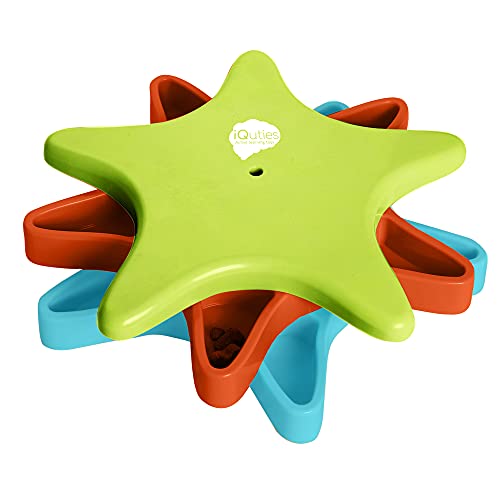
The Iquities Interactive Dog Puzzle Toy from Pet Brands is designed to alleviate boredom by redirecting potentially destructive behaviour through a combined mind and body workout. The toy supports problem solving and learning through play, helping dogs stay engaged for extended periods. With multiple compartments and a simple-to-navigate design, it’s suitable for dogs that are just beginning to explore puzzle toys or those who respond well to straightforward challenges. Regular use can support concentration, reduce hyperactivity, and encourage a positive association with playtime. This level of cognitive engagement can complement daily training routines and strengthen the dog–owner bond when used as part of a structured play session.
Treat Tumble Interactive Puzzle Ball (Level 1)

Outward Hound’s Treat Tumble Level 1 is a beginner-friendly puzzle ball designed by Nina Ottosson. The bright blue ball is ideal for puppies or dogs new to interactive toys. Fill it with treats and let your dog paw and nudge to release rewards, turning boredom into a gentle challenge. The design supports solo play or human–dog interaction, making it a solid choice for households with varying activity levels. This toy helps promote mental engagement, curiosity, and a steady routine that channels energy into constructive exploration while strengthening training foundations through positive reinforcement.
Treat-Dispenser Challenge: Level 2

Outward Hound’s Nina Ottosson Level 2 puzzle is a medium-level interactive toy that combines a puzzle with a slow-feeder concept. Dogs slide layers and uncover hidden treats, providing a robust mental workout. The toy is designed to fight boredom, reduce anxiety, and foster problem-solving while keeping energy positively directed throughout the day. It also reinforces learning through structured play, offering a reliable method to nourish curiosity without escalating frustration. This level caters to dogs with some experience in puzzle play who are ready for a more intricate challenge.
Vivifying Snuffle Mat: Foraging Fun

The Vivifying Snuffle Mat offers an engaging foraging experience that mirrors natural behaviours. With eight hiding spots, the mat invites dogs to sniff, search and forage for treats, encouraging slower eating and mental stimulation. The mat’s size is suitable for small to medium dogs, making it a versatile enrichment option for households with multiple pets. While the snuffle format supports calm, focused play, it may require supervision to ensure the dog does not pull at the fabric, especially in thrifty chewers. Regular sessions can promote patience and a more deliberate approach to feeding and playtime.
Elezenioc Slow Feeder Duo: Blue
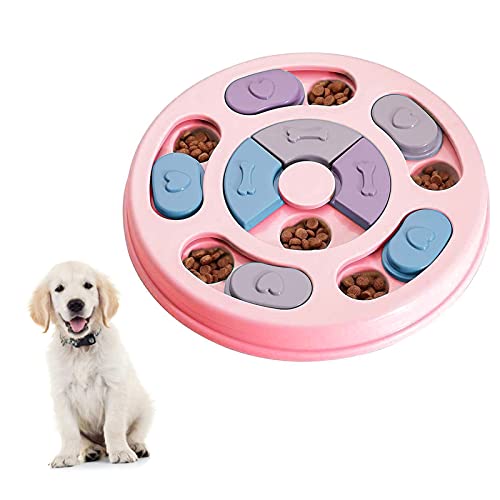
The Elezenioc Slow Feeder Toy combines treat compartments with moving pieces to encourage dogs to work for their food, boosting problem-solving skills and reducing laziness. This design is intended to keep dogs engaged while teaching order and posture during feeding. The slow-feeder approach helps minimise rapid eating, which can support digestion and overall health. The pink and blue variants offer a visually appealing option for dogs that respond to colour cues and novelty in the toy ecosystem. It’s suitable for puppies and smaller dogs, with a focus on cognitive development and practical feeding habits.
Buying Guide: Key Purchase Considerations
When selecting puzzle toys for dogs, consider the dog’s age, size, chewing style and prior experience with similar toys. Start with simpler puzzles and gradually increase difficulty to prevent frustration and maintain interest. Look for toys with durable materials and non-slip bases to avoid frequent teething or aggressive pawing causing the toy to move around the room. Consider whether you prefer treat-based puzzles, foraging mats, or slow-feeder designs, and how easily the toy can be cleaned after use.
- Difficulty Level: Beginners may require Level 1 or Level 2 puzzles, while more experienced dogs can benefit from multi-layer or more complex designs. Rotate toys to maintain novelty.
- Dog Size and Strength: Choose appropriately sized toys to prevent choking hazards and ensure comfortable engagement for your dog’s jaw and paws.
- Cleaning and Maintenance: Look for products that are easy to wash. Some fabric mats may require hand washing, while plastic shells are generally dishwasher-safe.
- Engagement Type: Puzzle toys can be treat-based, foraging-focused, or slow-feeder oriented. A balanced mix supports general enrichment and feeding routines.
- Supervision: Always supervise initial play to ensure your dog understands the mechanism and does not become frustrated or attempt to chew apart the toy.
- Longevity: Durable materials withstand gnawing and rough play. Some brands offer replacement parts for modular problems, extending toy life.
Product Diversity And Routine Integration
Incorporating a mix of problem-solving toys, foraging mats and slow feeders can diversify enrichment and prevent routine fatigue. Pair puzzle play with short training sessions to reinforce commands and impulse control during challenging tasks. Consider timing sessions after exercise to channel energy constructively. For households with multiple dogs, watch for competition around treats and plan individual or staggered play to avoid conflict and ensure each dog receives adequate cognitive exercise. Finally, observe for signs of boredom or stress and adjust the difficulty or duration accordingly.