Choosing the right dental loupes improves visualization, precision, and patient care. This guide reviews five top loupes suited to dental hygienists, focusing on magnification, working distance, weight, and practicality in daily clinics. Each option balances edge-to-edge clarity with comfortable wear, so routines like scaling, polishing, and examination benefit from steady vision and reduced eye strain. Below is a quick at-a-glance table and detailed product breakdown to help you compare features at a glance.
| Product | Brand | Magnification | Working Distance |
|---|---|---|---|
| Smedent 2.5x Loupe | Smedent | 2.5x | 420 mm |
| Mike-Dental 3.5x Binocular Clip Loupe | Mike-Dental | 3.5x | Not specified |
| Zgood 3.5x 420mm Loupes | Zgood | 3.5x | 420 mm |
| Giroflee 2.5x/3.5x Clip-On Loupes | Giroflee | 2.5x or 3.5x | Not specified |
| Dentest 2.5x 420mm Binocular Loupes + Headlight | YD | 2.5x | 420 mm |
Smedent 2.5x Loupes: Clear Visuals

The Smedent loupes offer edge-to-edge sharp images with superior optic quality, designed for professional dental environments. With 2.5x magnification, they provide a balanced blend of detail and field of view, ideal for hygienists performing scaling, polishing, and oral assessments. The included safety goggles add full-face protection, and the overall unit weighs around 82 grams, reducing fatigue during longer procedures. When selecting loupes, practitioners should consider whether this magnification aligns with typical cases and whether the edge clarity remains consistent across different lighting conditions in the clinic.
Key considerations
Pros include crisp image quality and a compact, lightweight design suitable for all-day wear. A potential trade-off is a narrower depth of field compared with higher magnifications, which can be a factor for intricate close-up work. The burgundy frame and integrated goggles enhance protection without sacrificing usability during routine hygiene tasks.
Mike-Dental 3.5x Clip-On Loupes

These binocular clip-on loupes offer 3.5x magnification with a broad field of view and generous depth of field, aiding hygienists in performing detailed examinations and precise cleaning work. Clip-on design allows easy switching for eyeglass wearers and accommodates daily practice needs where mobility and quick adjustments are essential. The product notes highlight edge-to-edge clarity and compatibility with water-disinfectant wiping, which is advantageous in high-turnover clinical settings.
Key considerations
Advantages include flexible mounting and strong magnification, but clip-on models can add weight to glasses and may require occasional recalibration. Consider whether a full headset or binocular configuration would better suit your comfort preferences and routine duties in a busy clinic.
Zgood 3.5x 420mm Loupes

The Zgood model remains popular among dental students and hygienists for its wide field of view and generous depth of field at daily procedure levels. The 420 mm working distance strikes a balance between a natural posture and accessible magnification, supporting routine hygienist tasks like calculus removal and polish work. A notable feature is the emphasis on edge-to-edge clarity, which enhances diagnostic assessment during patient care while ensuring comfortable wear for extended sessions.
Key considerations
Look for models with durable optics and reliable focal balance across angles of approach. For hygienists, a longer working distance reduces neck strain, but ensure the magnification and weight align with comfort over a full shift. Lighting compatibility is also important to preserve contrast in the oral cavity.
Giroflee 2.5x/3.5x Clip-On Loupes
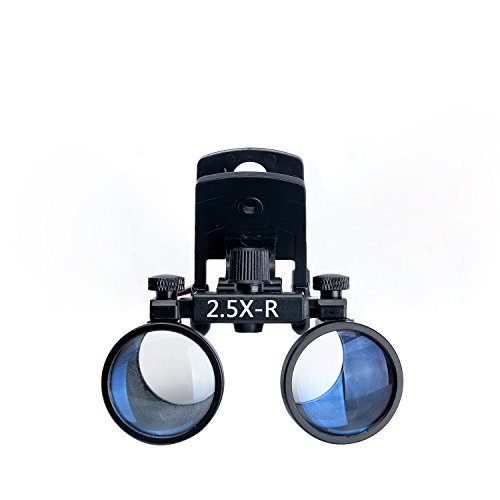
This Giroflee offering provides two magnification options (2.5x or 3.5x) in a clip-on style, facilitating quick adaptation to different cases. The dual magnification expands versatility for hygienists who need both broad views for quick scans and higher magnification for detail work. The design emphasizes a wide field of view and depth of field, with blackened lens edges to maximize image contrast, contributing to clearer visualization of margins and enamel surfaces during routine care.
Key considerations
Pros include adjustable interpupillary distance and clip-on convenience, but some users may prefer a fixed-loupe configuration for stability. Check compatibility with existing eyewear and whether a stable clip-on fits your work routine without causing slippage during procedures.
Dentest 2.5x 420mm Loupes With Headlight

The Dentest set combines 2.5x magnification with a portable dental LED headlight, addressing common needs in hygienist practice: enhanced visibility in shadowed areas and improved illumination for detailed work. The 420 mm working distance supports natural posture, while the integrated headlight ensures consistent lighting without requiring separate accessories. This combo is particularly useful for polishing, stain removal, and thorough oral examinations in dim clinic rooms.
Key considerations
Consider battery life, heat dissipation, and the weight of the headlight when evaluating extended wear. A balanced system helps reduce neck and eye strain, especially during long sessions. Ensure the LED headlight provides even illumination without hotspots and that it is compatible with your preferred loupes frame.
Buying Guide: Key Purchase Considerations For Dental Hygienists
Magnification and working distance. Most hygienists benefit from 2.5x to 3.5x magnification. A 420 mm working distance is common and often preferred for comfortable posture during cleaning and assessment tasks.
Weight and balance. Loupes should not add excessive weight to the head, which can cause fatigue over a shift. Lightweight designs or binocular configurations with well-distributed weight are preferable for long appointments.
Optical clarity and edge definition. Look for models with edge-to-edge sharpness and high contrast. Blackened edges and high-quality glass reduce distortions and improve accuracy during marginal detection and enamel assessment.
Durability and ease of cleaning. Hygiene environments require loupes that withstand regular disinfection and can be wiped down with standard cleaners. Clip-on options should lock securely to prevent movement.
Lighting compatibility. Integrated headlights or compatible external lights help maintain consistent illumination, especially in rooms with variable lighting. Consider heat management and battery life for LED options used during multiple procedures.
Ergonomics and adjustability. Interpupillary distance, angle of declination, and headband or strap fit influence comfort and image stability. Opt for models that offer easy readjustment without compromising alignment.
Cost versus value. Higher magnification or premium optics may entail higher upfront costs. Weigh the benefits of image clarity, working distance, and durability against the budget and clinical needs. Some bundles include headlamps or protective goggles, which can improve overall value.
Compatibility with existing eyewear. If you wear prescription glasses, verify whether the loupe system accommodates glasses safely and comfortably, or consider clip-on or frame-mounted options.
Clinical tasks and workflow. For routine hygiene tasks like scaling, polishing, and caries assessment, prioritize clear optics and a comfortable fit over extreme magnification. For more detailed diagnostics or restorative planning, higher magnification may be beneficial.