People across the UK seek reliable grip strength gear to improve overall fitness, rehabilitation, and daily function. This article highlights top grip strength devices and provides practical guidance on choosing the right tools for your level, whether you’re an athlete, musician, climber, or recovering from an injury. Read on to compare options, features, and training tips designed to help you build lasting grip power.
| Product | Brand | Resistance Range |
|---|---|---|
| NIYIKOW Hand Grip Strengthener | NIYIKOW | 22–132 lbs (10–60 kg) |
| ARHAM Hand Grip Strengthener | ARHAM | 5–60 kg |
| inaepeak Grip Strength Tester | inaepeak | 0–180 kg (0–396 lbs) |
| WIZVEKO 5PCS Grip Kit | WIZVEKO | 5–60 kg (11–132 lbs) on main grip; 6 levels on finger stretcher |
| WIZVEKO 2PCS Grip Trainer | WIZVEKO | 22–220 lbs (10–100 kg) |
NIYIKOW Adjustable Grip Strengthener
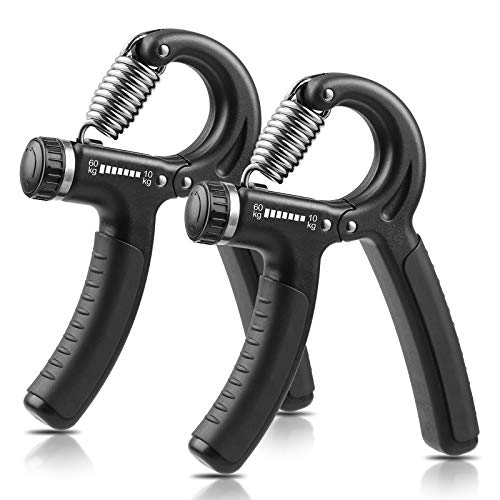
The NIYIKOW grip strengthener offers a broad resistance range from 22 lbs to 132 lbs (10–60 kg), enabling progressive training as grip power improves. Constructed from durable plastic with reinforced metal alloys, this device emphasises longevity without compromising user safety. It targets the hands, forearms, wrists, and fingers, making it suitable for musicians, athletes, climbers, and anyone seeking daily grip enhancement. A compact design supports quick sessions of 5–10 minutes, ideal for home, office, or travel use. The product’s emphasis on durability helps it stand up to frequent workouts, which is important for consistent training cycles.
Key use cases include stress relief, endurance building, and grip rehab. The adjustable resistance is particularly beneficial for those starting rehabilitation or working to slowly increase load over time. While it is simple to use, users should ensure correct form to maximise benefits and reduce the risk of overuse injuries. The NIYIKOW device stands out for its balance of portability and robust build, making it a solid core option in a grip-strengthening routine.
ARHAM Hand Grip Strengthener With Counter

ARHAM’s hand grip trainer uses a stainless steel spring for durability and a comfortable handle, designed to fit a typical hand and provide steady resistance during sessions. It’s adjustable from 5 to 60 kg, enabling gradual progression and tailored workouts for grip endurance and dexterity. This model is well-suited for athletes, musicians, climbers, and tennis players seeking to refine finger and wrist strength. The robust material choice supports long-term use, while the counter helps track progress over time, empowering users to push for measurable gains. This combination makes ARHAM a practical choice for structured training programs and rehabilitation routines alike.
inaepeak Digital Grip Strength Tester

The inaepeak device offers a high-precision digital readout with a maximum capacity of 180 kg (396 lbs) and a resolution of 0.1 kg/0.1 lb. It stores data for up to 19 users and displays a range of useful metrics, including user data, grip strength values, peak changes, and comparative trends. The adjustable handle accommodates different hand sizes, while a textured grip supports comfort during measurement. This model is particularly useful for sports science settings, clinics, or home training where detailed, trackable data is valued for assessing progress and rehabilitation outcomes. Its rechargeable design reduces ongoing costs and supports consistent use between charges.
WIZVEKO 5PCS Grip Strength Kit
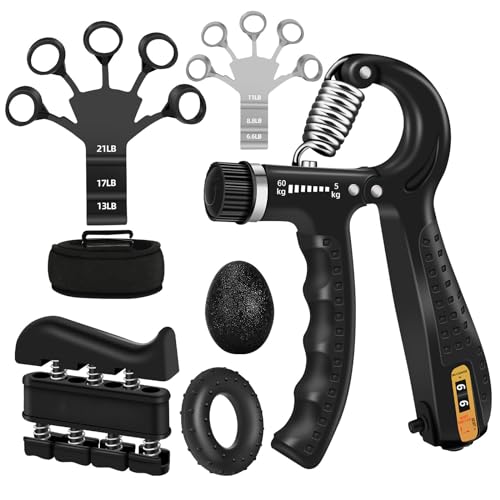
This 5-piece kit provides a comprehensive approach to grip, hand, and forearm training. It includes an adjustable hand and forearm gripper, a six-level finger stretcher, a finger exerciser, a grip ring, and a stress-relief egg ball. The main grip offers a 5–60 kg (11–132 lbs) resistance range, enabling progression from beginner to advanced levels. The six-level finger stretcher allows precise finger independence development, while the other tools support muscle balance and recovery. The kit is ideal for users seeking a multi-faceted routine in a single purchase, promoting holistic hand fitness and injury prevention.
WIZVEKO Dual Grip Strength Trainer

This two-pack provides options with a broad resistance spectrum of 22–220 lbs (10–100 kg). It is designed to accommodate learners and veterans alike, maintaining ergonomic design with a secure grip. The devices feature an extended handle length to fit various hand sizes and a no-noise counting element for progress tracking. The wide range supports progressive overload throughout a long training cycle, making it suitable for climbers, weightlifters, and rehabilitation scenarios where increasing load over time is essential. The inclusion of a counter helps quantify improvement and sustain motivation.
Buying Guide: Key Considerations And Comparisons
When selecting grip strength equipment, consider these factors to align with your goals and any constraints:
- Resistance range: Choose a device with a progression path that matches your current strength and anticipated gains. If you’re recovering from an injury or learning technique, start with lower ranges and increase gradually.
- Durability and materials: Look for reinforced materials (metal springs, ABS plastics, high-quality handles) to endure frequent use without degradation or risk of pinching or skin irritation.
- Ergonomics and fit: A comfortable handle and appropriate hand size compatibility reduce fatigue and improve form. Some devices offer adjustable handles or multiple grip positions for better comfort.
- Data and tracking: Digital testers or devices with counters help monitor progress, set benchmarks, and tailor training plans. Consider whether you need data storage for multiple users.
- Training versatility: Kits with multiple components (grippers, finger stretchers, stress balls) provide a broader training stimulus, supporting balanced hand, wrist, and forearm development.
- Rehabilitation suitability: For recovery from injury, choose tools that support gentle progression and include ergonomic designs to minimise discomfort during rehab sessions.
- Portability: If you travel or work a lot, compact and lightweight models enable convenient workouts anywhere.
- Maintenance: Look for easy-to-clean components and components that resist corrosion or wear from sweat and oils.
Choosing the right grip strength equipment involves balancing difficulty, durability, and the training contexts you value most: sport-specific grip (climbing, tennis), musical performance (piano, guitar), or rehabilitation needs. For beginners, starting with a mid-range adjustable grip and a finger stretcher, then layering in a digital dynamometer for progress tracking, can provide a clear, measurable path. For more advanced athletes, a higher resistance trainer paired with a multi-tool kit can sustain long-term grip development and functional hand strength across activities.