Explore a curated selection of the best remote control airplanes available on Amazon UK. This guide highlights stable, beginner-friendly models as well as more advanced aircraft for hobbyists. Each pick offers distinct features such as 2.4GHz control, stabilization systems, LED lighting, and easy launch modes to help you soar with confidence.
| Product | Key Feature | Ideal For |
|---|---|---|
| 4DRC G6 RC Plane (Red) | 2 take-off modes, illumination, dual batteries | Beginners to intermediate pilots |
| 4DRC Foam RC Plane for Adults & Kids | Headless mode, 360° flips, night LEDs | First-time flyers and families |
| KBIBCK Remote Control Plane (Yellow) | 2.4GHz control, 100m+ range, beginner-friendly | New pilots and learners |
| HAWK’S WORK 2-Channel RC Airplane (Red) | Self-stabilization, 4-direction control | Junior pilots and beginners |
| Afenau RC Airplane (Blue) | 6-axis gyro stabilization, long distance | All-round beginners and up |
4DRC G6 RC Plane Red
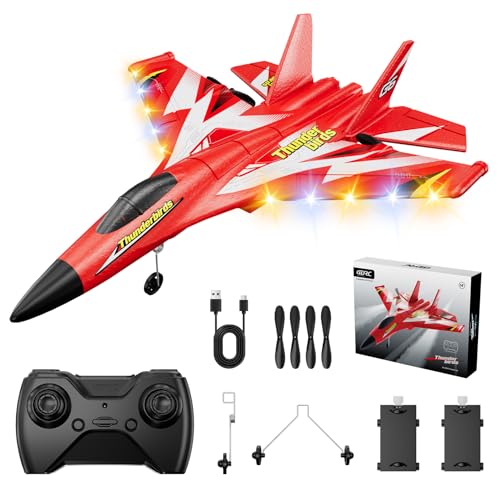
The 4DRC G6 RC Plane combines stunt capability with stability features to assist both novices and more confident flyers. It offers multiple flight stunts, including circling and 3D flips, with two speeds and built-in stabilization for smoother operation. Two batteries extend flight time to about 30 minutes or more, enabling longer practice sessions. The aircraft supports two take-off modes—hand-throw and glide take-off—and includes bright LED lights for night flights. The 2.4GHz control system supports simultaneous use with other planes, minimising interference and enhancing group flying experiences. This model is positioned as a versatile beginner-to-intermediate option and makes a strong gift for kids and adults alike.
4DRC Foam RC Plane for All
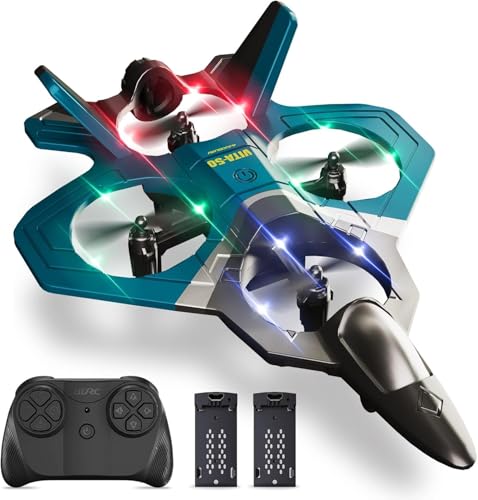
Designed for both adults and kids, this foam RC plane emphasizes ease of use with features like headless mode, three speed options, altitude hold, and 360° aerobatics. The streamlined controller keeps operations intuitive, enabling beginners to perform take-offs, landings, and flips within minutes. Night flights are enhanced by built-in LED lights and glowing trails, delivering striking visuals for after-dark sessions. The aircraft’s lightweight foam construction contributes to forgiving landings and resilience during learning curves, making it suitable for family play and gradual skill development.
KBIBCK RC Plane with LED Lights

This ready-to-fly unit from KBIBCK brings reliable 2.4GHz control with a stable signal over a long range. It employs a 6-axis gyro automatic stabilization system to balance motor outputs and keep flights smooth, a critical feature for beginners. The aircraft uses durable EPP foam to resist minor crashes and features a protective silicone cap on the head to guard against impact. The 2-channel design keeps operation straightforward, with a simple control scheme ideal for first-time flyers or occasional hobbyists.
HAWK’S WORK 2-Channel RC Airplane

HAWK’S WORK offers a beginner-friendly 2-channel RC airplane with built-in self-stabilization. Its lightweight foam structure provides durability with forgiving handling, reducing the consequences of small crashes. The 2.4GHz radio control supports four-direction control and allows multiple planes to operate in the same area without interference. This model emphasises straightforward operation and reliability, making it a solid choice for new pilots seeking a steady, approachable introduction to RC aviation.
Afenau RC Airplane Blue
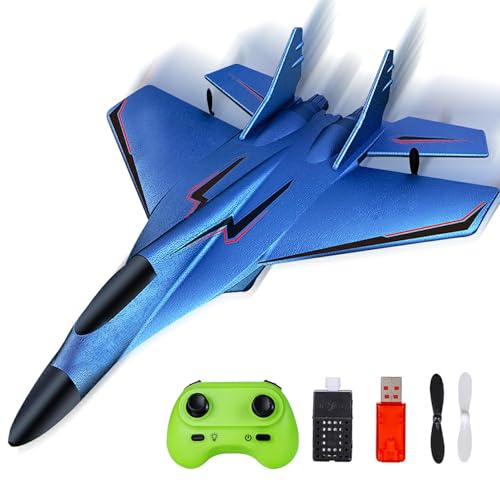
The Afenau RC Airplane features a built-in 6-axis gyro automatic stabilization system and a 2.4GHz remote control with stable signal over long distances. Suitable for beginners and adults alike, the design emphasises easy control and reliable responsiveness. The 2-channel configuration offers intuitive operation, while the glider style and coreless motor system provide efficient performance. The aircraft is positioned as an entry-level option with potential for extended play as skills improve, supported by a solid control range and straightforward launch dynamics.
Buying Guide
When selecting the best remote control airplane, consider the following factors to match your experience level and flying goals:
- Skill level and learning curve: Look for stabilization systems, headless mode, and beginner-friendly controls if you’re new to RC aviation. Models with two speed settings or altitude hold help ease progression.
- Flight time and power: Longer flight times come from extra batteries or efficient motors. Balance flight duration with weight and sturdiness, especially for beginners.
- Control system and range: A 2.4GHz RC system reduces interference when flying multiple planes. Ensure the range suits your typical flying area, whether indoors, gardens, or open fields.
- Durability and materials: Foam or EPP foam constructions absorb impacts well, lowering worry during learning. Lightweight builds are easier to manage but may be more sensitive to wind.
- Launch and recovery: Hand-launch, glide take-off, or throw-off options affect ease of use. Models with stabilization help recover after missteps.
- Lighting and visibility: LED lights improve night visibility and add a visual appeal for evening sessions.
- Future-proofing: Consider whether you plan to upgrade to more advanced stunts or larger planes, and pick a model that scales with your growing skills.
Bottom-line guidance: for beginners, prioritize self-stabilization, simple control layouts, and robust foam builds. For hobbyists seeking additional features, compare models with LED lighting, multiple take-off modes, and longer flight times to extend practice sessions and aerial fun.