Concrete pavements demand footwear that combines cushioning, stability, and breathability. The following five running shoes are highlighted for their performance on hard, unforgiving surfaces, prioritising impact absorption, support, and daily durability. Each option is well-suited for urban runners seeking reliable comfort during longer sessions or daily commutes.
| Product | Brand | Key Feature |
|---|---|---|
| Under Armour Charged Surge 4 | Under Armour | Ultra-responsive cushioning and breathable upper |
| adidas Runfalcon 5 Wide | adidas | Wide fit with mesh upper for comfort |
| adidas Duramo Speed 2 | adidas | Regular fit with durable upper |
| Under Armour Charged Speed Swift | Under Armour | Lightweight mesh and responsive cushioning |
| PUMA Softride Symmetry | PUMA | Zoned outsole and low profile |
Under Armour Charged Surge 4
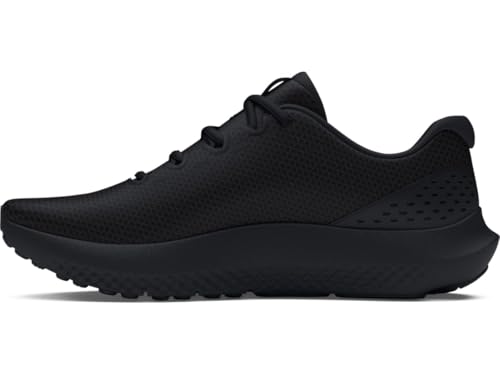
The Under Armour Charged Surge 4 emphasises a breathable mesh upper with synthetic overlays that provide structure where needed. The shoe features an enhanced cushioning around the ankle collar for comfort during long sessions on hard surfaces. A deluxe comfort system sockliner molds to the foot for step-in ease, while the Charged Cushioning midsole delivers responsive rebound to support forward momentum on concrete.
adidas Runfalcon 5 Wide

This model offers a wide fit with a secure lace closure and a breathable mesh upper, providing comfort for runners who spend extended periods on concrete. The Runfalcon 5 Wide is designed for everyday training and commuting, prioritising flexibility and a balanced ride on hard surfaces.
adidas Duramo Speed 2

The Duramo Speed 2 provides a regular fit with a lace closure and a durable upper blending textile and synthetic materials. This shoe aims to deliver reliable comfort for daily runs on concrete, with a supportive ride and a roster of materials designed for durability in city environments.
Under Armour Charged Speed Swift

The Charged Speed Swift focuses on lightweight construction with a translucent mesh upper that keeps the foot cool on warm days. A deluxe comfort system sockliner provides step-in comfort, while the Charged cushioning midsole ensures responsiveness and durability for routine runs on concrete surfaces.
PUMA Softride Symmetry

The PUMA Softride Symmetry offers a low-boot silhouette with a zoned rubber outsole and a lace closure for a secure, everyday ride. Its design focuses on comfort and grip suitable for running on concrete, delivering a stable platform for urban miles.
Buying Guide
Key considerations for choosing running shoes for concrete pavements include cushioning, stability, breathability, and durability. Here are multiple perspectives to help you decide:
- Impact absorption: Look for models with responsive cushioning (such as midsole foams) to soften repeated impact from hard surfaces. A well-cushioned shoe can reduce fatigue over long runs.
- Stability and support: If you overpronate or need extra support, select shoes with structured uppers and supportive midsoles. Wider fits can also improve comfort on hard sidewalks.
- Upper material: Breathable mesh or engineered knit helps keep feet cool in urban climates. Durable overlays add structure where needed for long-lasting wear on concrete.
- Weight: Lighter shoes enhance speed and reduce fatigue, but must not compromise cushioning. Balance weight with support for best results on hard surfaces.
- Durability: Concrete wears down materials quickly. Look for reinforced outsoles, quality stitching, and resilient midsole materials to extend life.
- Fit and sizing: UK runners may prefer regular or wide fits depending on foot shape. Consider trying different widths if you’re between sizes.
- Traction: A grippy outsole helps maintain stability on damp or dusty urban pavements. Prioritise textured rubber patterns for better grip.
- Weather suitability: Breathability is important in warmer months, but ensure the shoe provides enough coverage and water resistance for wet days.
When selecting, compare models across these criteria and align them with your typical training volume and running surfaces. For concrete-heavy environments, prioritising cushioning, stability, and durability will generally yield the most reliable performance and value over time.