Choosing the right painter’s tape can make or break a decorating project. For UK homes, where walls come in a variety of finishes and paints, a tape that delivers clean edges, easy removal, and reliable adhesion is essential. This guide reviews top masking tapes suitable for walls, with practical notes on surface compatibility, removal windows, and performance under different paints. Whether you’re painting a feature wall or refreshing skirting boards, these products help achieve professional-looking results.
| Product | Brand | Key Features |
|---|---|---|
| Frog Tape Green Multi Surface | Frog Tape | Sharp lines, paint bleed prevention, cured paint surfaces, multi-surface compatibility |
| ScotchBlue Multi-Surface | ScotchBlue | Clean removal up to 14 days, UV resistant, medium adhesion |
| ARVO Masking Tape – 24 mm x 50 m | ARVO | Versatile, 2 rolls, reliable crepe paper, indoor painting |
| ProDec 2 inch x 50m | ProDec | High-quality crepe, wide 50 mm, clean release, compatible with all paints |
| Frog Tape Yellow Delicate Surface | Frog Tape | Delicate surface, sharp lines, suitable for fresh paint |
In the sections that follow, you will find concise product notes for five selects most suitable for painting walls in UK homes. Each entry highlights why the tape stands out, its best-use scenarios, and how it performs on common wall finishes and paints. You’ll also see practical tips for application and removal to help you minimise texture pulling and edge fuzz.
Frog Tape Green Multi Surface

Frog Tape Green Multi Surface is designed to keep paint out and lines sharp on cured paint, wood, glass, and metal. The tape is marketed for multi-surface use, aiding in projects where edges must remain precise across different materials. Its key advantage is high resistance to paint bleed, making it a reliable choice for rooms with overlapping colours or intricate trims. It’s particularly effective on walls that have already cured paint layers or glossy finishes where adhesion needs to be predictable without leaving tape residue. For interior decorating, this tape supports fast, clean removals, typically minimizing edge lift on smooth surfaces.
Best-use scenarios include feature walls, ceiling lines, and door frames where clean separation of colours is important. While it performs well on a variety of substrates, users should ensure the surface is clean, dry, and free of dust to maximise adhesion. The tape’s medium-to-strong adhesion helps it stay in place during typical painting cycles, making it a versatile option for many UK households.
ScotchBlue Multi-Surface

ScotchBlue Multi-Surface Premium Masking Tape is a widely used option for indoor and outdoor painting tasks. It features clean removal up to 14 days after application, which is advantageous for longer decorating projects or for taping off areas you don’t want painted. The tape also claims UV resistance and medium adhesion, balancing secure hold with gentle removal to protect delicate surfaces. This makes ScotchBlue a solid choice for walls, trim, and glass where you want to avoid tearing or paint bleed, especially on newer walls or layered coatings.
UK users often benefit from tapes that tolerate daylight and varied indoor lighting without discoloring or requiring reapplication. ScotchBlue’s design aims to deliver consistent performance across a range of paints, including emulsions and gloss finishes. When applying, press along the edge firmly to establish a crisp line and peel back slowly to prevent edge lifting. For high-traffic spaces, the tape’s durability can support multiple painting rounds with minimal repositioning.
ARVO Masking Tape for Painting
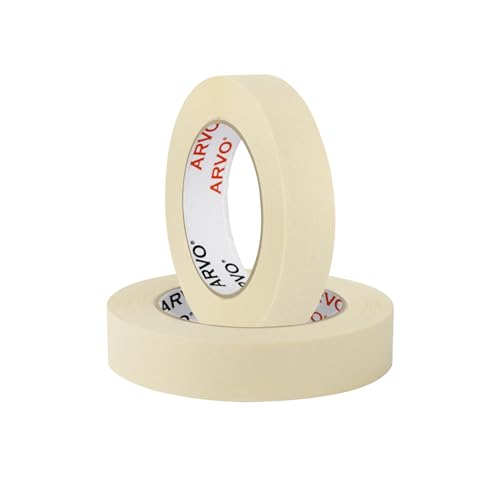
ARVO offers a 24 mm x 50 m masking tape tailored for painting projects, bundled in a pack that suits multiple room tasks. It features medium-to-high adhesion, making it appropriate for masking walls, ceilings, and trims where crisp lines and minimal bleed are essential. The crepe paper backing provides tear resistance yet remains easy to tear by hand, which helps when you’ll be working quickly or taping large areas. The tape is positioned as a versatile decorating option for indoor use, with good performance on typical interior paints and finishes.
ARVO’s product line emphasizes reliability across surfaces, including walls, architraves, and windowsills. For best results, apply on clean, dry surfaces and remove within the recommended window to avoid edge tearing. While suitable for many common paints, it’s wise to test on renewed or sensitive finishes to confirm clean removal without residue. This tape is a practical choice for DIY projects that require multiple masking steps or careful boundary control.
ProDec Multi Surface Masking Tape
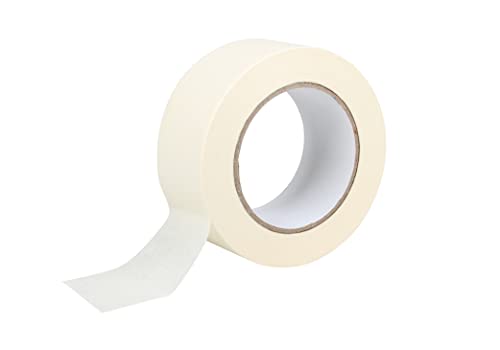
ProDec’s 2 inch (50 mm) width masking tape is designed for multi-surface use with a focus on sharp paint lines. The tape is made from high-quality crepe paper, ensuring easy hand tearing and compatibility with standard paint types including emulsions, eggshell, gloss, satin, and undercoats. It’s particularly well-suited for masking large wall areas, ceilings, and other expansive surfaces where a wide tape reduces the number of joints and edges to manage. Its clean release helps prevent residue, leaving a crisp line once paint is removed.
In practical terms, ProDec is a reliable choice for professional-looking rooms where wide masking bands are advantageous, such as feature walls or refinished ceilings. It performs well on wood, metal, and glass trims, but as with all tapes, ensure the surface is prepared—clean, dust-free, and dry—for best adhesion. For UK homes with varied light and humidity, the tape’s performance remains solid across typical interior environments.
Frog Tape Yellow Delicate Surface

Frog Tape Yellow Delicate Surface is engineered for delicate surfaces, offering sharp lines with minimal paint bleed. It is suitable for use on fresh paint (24 hours minimum), making it a viable option for projects where you’re retouching or adding new coats within days of painting. The tape’s design focuses on protective removal from more sensitive finishes, reducing the risk of peeling or surface damage during tape removal. This is particularly relevant for walls with soft plaster or previously painted features that require careful handling.
For walls and trims that are more susceptible to damage or where you’re working near fresh paint, this tape provides a balance of adhesion and gentleness. It is a solid option for achieving crisp lines on feature walls, door frames, and adjacent surfaces that demand careful edge control. Follow removal guidance to preserve both the paint and the underlying substrate.
Frog Tape Yellow Delicate Surface 24mm

Another Frog Tape Yellow Delicate Surface option presents a 24 mm width, maintaining the delicate-surface benefits with a slightly narrower profile. This size is well-suited for tighter corners, edging around windows, and trim work where a broader tape would be unwieldy. As with other delicate-surface products, careful surface preparation and gentle removal after painting help minimise edge pull or surface lift, especially on older walls or textured papers.
Buying Guide: Key Considerations For Tape When Painting Walls
Surface type and paint condition: A tape’s compatibility with cured paint, fresh paint, or delicate surfaces depends on adhesive strength and backing materials. For walls with delicate finishes or newly applied paints, use tapes marketed for delicate surfaces to reduce the risk of peeling. For walls with glossy finishes, stronger adhesion can help maintain clean lines without bleed, but ensure removal within the recommended window to avoid residue.
Adhesion and removal window: Adhesion needs vary by room humidity, temperature, and surface cleanliness. Tapes with longer removal windows are useful for sessions that extend over several hours or days, whereas tapes with easy removal are advantageous for quick touch-ups. UV resistance is beneficial for rooms with strong natural light exposure to preserve edge integrity during the masking period.
Width and coverage: Wider tapes reduce the number of joins but may be harder to apply neatly on tight corners. Narrow tapes provide precision but require more masking steps. For large wall areas, wider tapes like 50 mm bands can speed up masking, while for trims and edges, 24–36 mm options offer better control.
Residue and surface protection: The ideal masking tape should remove cleanly with little to no adhesive residue, particularly on paint finishes or wallpapers. Test on a small area if possible, especially on textured walls or delicate wallpapers. A tape with residue can complicate re-painting or clean-up, requiring extra sanding or solvent use.
Environmental considerations: In the UK, many buyers look for tapes that offer sustainable packaging or materials. Some brands highlight low-residue formulas or materials suitable for indoor use, which aligns with healthier home-improvement practices.
Practical usage tips: Apply tapes with a firm, even pressure along the edge, avoiding air pockets. For sharp lines, run a card or seam roller along the edge after applying. When removing, pull back on a low angle to reduce the chance of lifting paint from the surface. Store tapes in a cool, dry place to preserve adhesive effectiveness.