Finding trail running shoes that accommodate wider feet without compromising grip and protection can be challenging. This guide highlights choices that emphasise roomy toe boxes, stable outsoles, and durable uppers, helping runners confidently tackle varied terrain. Each product below is evaluated for wide-fit design, arch support, cushioning, and overall trail performance to assist in selecting footwear that supports natural foot movement and long-distance comfort on rugged UK trails.
| Product | Brand | Key Benefit |
|---|---|---|
| Salomon XA Pro 3D | Salomon | All-terrain grip and long-lasting protection |
| FitVille Wide Fit Trail Shoes | FitVille | Non-slip outsole and wide toe box |
| HOBIBEAR Womens Trail Shoes | HOBIBEAR | Wide toe box and breathable comfort |
| HOBIBEAR Barefoot Minimalist Shoes | HOBIBEAR | Zero-drop design with roomy toe space |
| New Balance 410v8 | New Balance | Versatile traction with wide option |
Salomon XA Pro 3D Trail
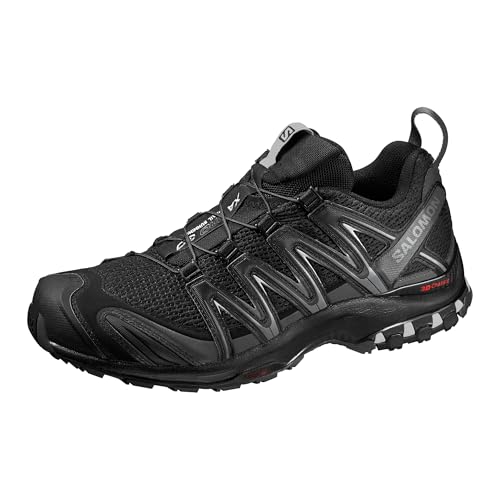
The Salomon XA Pro 3D is designed for stability and protection on mixed terrain. Its stability features include a precise fit via Sensifit and Quicklace for on-the-fly adjustments, ensuring a secure lockdown even when navigating technical trails. The shoe promises all-terrain capability with a robust grip, enabling confident descent on wet or uneven surfaces. Protection comes from reinforced toe caps and strategically placed shielding, aiming to keep feet in good condition during long trail sessions. For runners prioritising reliable traction and durability, this model offers a balanced mix of support and rugged build.
FitVille Wide Trail Shoes

FitVille’s Wide Fit model focuses on accommodating broader feet with a generous toe box. The outsole is designed for non-slip performance on uneven surfaces, providing reliable traction across trails. Cushioned support helps reduce impact on joints during longer runs, while the internal geometry supports a natural gait. This option suits runners who need more space in the forefoot without sacrificing stability or grip on gravel paths or muddy sections.
HOBIBEAR Womens Trail Shoes

These HOBIBEAR trail shoes are built with a wide toe box to allow natural toe splay, helping reduce pressure during long runs. The upper is lightweight and breathable, contributing to a comfortable foot climate across diverse UK weather. A zero-drop heel supports a natural posture, while the outsole offers solid grip for various terrains. The design emphasises a secure fit, with durability that suits frequent trail use and walking on rugged paths.
HOBIBEAR Barefoot Minimalist Shoes

This minimalist option from HOBIBEAR features a thin outsole for heightened feel and flexibility, while keeping a wide toe box for natural toe movement. The design prioritises a secure fit through a high-top construction and quadruple-stitch padding to support the ankle during uneven trail sections. The combination of thin cushioning and spacious forefoot aims to balance sensitivity with protection, suitable for runners who value ground feel with room for toe splay on long routes.
New Balance 410v8 Trail Shoes

The New Balance 410v8 is built for versatility on mixed terrains, offering traction suitable for both on- and off-road adventures. The model uses a synthetic upper and a Soft BIO Foam midsole to enhance underfoot comfort. For runners seeking a reliable, all-purpose trail shoe with a wider fit option, this model emphasises comfort, cushioning, and a responsive ride across uneven surfaces common in UK trails.
Buying Guide
Key considerations for choosing trail shoes for wide feet include toe-box width, overall volume, midsole cushioning, and outsole traction. A few perspectives to weigh:
- Toe-box space: Look for models marketed as wide fit or with a roomy forefoot to accommodate toe splay without compressing the midfoot.
- Stability vs. flexibility: Some trail needs favour stability (for rocky descents), while minimalist designs offer ground feel. Balance with your preferred terrain and cadence.
- Grip and durability: Outsole lug pattern and material determine grip on mud, gravel, and wet roots. Reinforced uppers protect against abrasion on rough trails.
- Drop and anatomy: Zero-drop designs promote a natural stance but can require an adaptation period. Consider whether your calves and Achilles tolerance aligns with a low-drop shoe.
- Weight and cushioning: Heavier models often provide greater protection, whereas lighter shoes reduce fatigue on longer runs. For wide feet, slightly cushioned yet supportive fits are typically preferable.
- Climate compatibility: Breathable uppers help with warmer conditions, while water resistance and quick-drying materials can benefit UK autumn and winter trails.
- Use case: For daily training, prioritize comfort and durability; for technical routes, emphasize protection and secure lacing.
In summary, the best options for wide feet balance a generous toe box with a stable midfoot and durable outsole. Consider trying multiple models to compare fit and flex, and prefer shoes offering a straightforward lacing system for a secure, customizable fit on muddy or rocky trails.