Choosing the right paint remover for fibreglass requires a balance of strength, safety, and surface compatibility. The options below are selected for their performance on common fibreglass components and related substrates, such as glass-reinforced plastics often found in boats, caravans, and kayaks. Each product is non-caustic or methylene chloride-free where noted, and designed to minimize damage to fibreglass while delivering strong stripping action. This guide compares five of the most relevant removers available on Amazon UK, with practical details to help you select the best match for your project.
| Product | Brand | Best For | Notes |
|---|---|---|---|
| Bartoline TX10 Paint And Varnish Stripper 1L | Bartoline | Fibreglass parts, wood, metal | Non-caustic, safe formula |
| JENOLITE Industrial Strength Paint Stripper Aerosol 2x400ml | JENOLITE | Multi-surface, heavy coatings | Industrial strength, non-drip |
| Hycote Paint Stripper Remover 400ml Aerosol | Hycote | Car parts, metal, wood | Gel formula, non-chlorinated |
| Bartoline Paint Predator 1L Heavy Duty | Bartoline | Wood, masonry, metal | Non-caustic, thick and non-drip |
| JENOLITE Industrial Strength Paint Stripper Aerosol 3x400ml | JENOLITE | Heavy coatings, brick and metal | Triple pack, fast-acting |
Note: While fibreglass requires careful handling to protect resin and gelcoat, these products are chosen for their robust performance while maintaining safer formulations. Always follow the manufacturer’s instructions and wear appropriate PPE when stripping fibreglass surfaces.
Bartoline TX10 Extra Strong Stripper

Bartoline TX10 is designed to strip multiple layers of paint and varnish efficiently. Its high-strength formula supports removal from wood, metal, and other surfaces, making it versatile for various refinishing tasks involved with fibreglass components that have been painted or coated. The product is non-caustic and free from methylene chloride, offering a safer application while delivering professional results. It is suitable for indoor and outdoor use, which helps in coastal or garage-based fibreglass projects. The formulation aims for thorough coating removal without aggressive solvents that could damage gelcoat if not used correctly.
Key considerations
- Non-caustic and methylene chloride-free formulation.
- Effective on multiple layers of coatings; check compatibility with gelcoat if used on fibreglass surfaces.
- Follow application times and ensure proper ventilation.
JENOLITE Industrial Strength Stripper Aerosol

JENOLITE’s Industrial Strength Aerosol is a powerful solvent-based remover designed for metals, wood, and brick, yet it is widely used for difficult coatings on fibreglass as well. The non-drip gel-like aerosol ensures better control on vertical or contoured surfaces, minimizing run-off on curved fibreglass profiles. It is fast-acting and capable of tackling lacquer, varnish, adhesives, graffiti, and other coatings. Not suitable for use on some plastics or UPVC, so verify compatibility with any fibreglass components that include flexible plastics or coatings near edges.
Key considerations
- Non-drip gel aerosol facilitates controlled application.
- Industrial strength performance; verify surface compatibility with fibreglass gelcoat.
- Not recommended for certain plastics; check substrate before use.
Hycote Gel Paint Stripper Remover
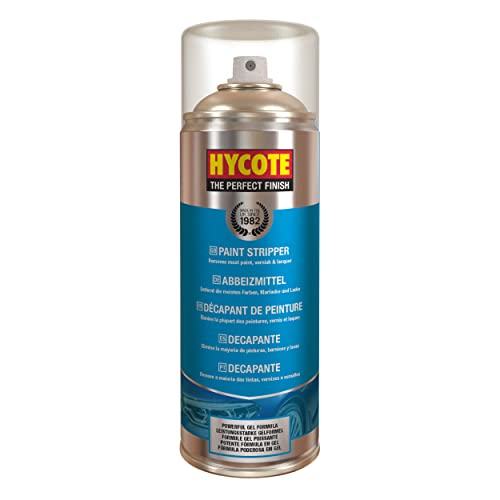
Hycote’s 400ml aerosol uses a non-chlorinated solvent blend and a viscous gel formula designed to cling to vertical surfaces. This makes it well-suited for fibreglass parts with vertical faces or hard-to-reach edges where runs are a concern. It effectively removes paints, varnishes, 2K lacquers, and gaskets when prepared properly. The gel’s thickness helps prevent sagging on curved fibreglass shapes, supporting cleaner removal without excessive residue. It is important to follow safety guidelines and test a small area first to avoid any unexpected reactions with resin components.
Key considerations
- Gel formula reduces run-off on vertical fibreglass surfaces.
- Non-chlorinated solvent blend; check for compatibility with resin or gelcoat.
- Test area before full application on fibreglass components.
Bartoline Predator Heavy Duty Stripper

Bartoline Predator is a professional-strength, non-caustic paint and varnish remover designed for heavy-duty stripping tasks. It works on wood, masonry, and most metal substrates, making it adaptable for fibreglass projects that require durable coating removal on bonded or composite surfaces. Its thick, non-drip consistency helps apply evenly on vertical or complex shapes, reducing pooling on fibreglass contours. This formulation is methylene chloride-free, aligning with safer application standards for DIYers and professionals alike.
Key considerations
- Thick, non-drip consistency suitable for vertical surfaces.
- Non-caustic and methylene chloride-free formulation.
- Assess compatibility with resin-rich fibreglass where coatings exist.
JENOLITE Industrial Strength 3 x 400ml

This triple-pack from JENOLITE provides multiple applications for heavy coatings, including metal, wood, brick, and concrete surfaces. The spray is designed for fast action, capable of removing paints, varnishes, adhesives, graffiti, and sealing cement coatings. For fibreglass projects, use on compatible coatings and ensure a prepared surface to prevent resin damage. The package is ideal for ongoing projects or facilities with multiple stripping tasks, offering consistent performance across batches.
Key considerations
- Industrial-grade performance in a multi-pack format.
- Broad surface compatibility; verify impact on gelcoat or resin in fibreglass parts.
- Follow application guidelines to minimise solvent exposure.
Buying Guide: Key Purchase Considerations And Comparisons
Selecting the best paint remover for fibreglass involves evaluating several factors beyond raw strength. Consider substrate compatibility, safety, ease of use, and project constraints to avoid damage to fibreglass gelcoat or resins.
- Coating type and thickness: Heavily layered coatings, polyurethane finishes, or enamel paints may require stronger formulations. Gel-based products reduce runoff, which is helpful for vertical fibreglass surfaces.
- Substrate compatibility: Fibreglass is often protected by gelcoat. Confirm compatibility with resin, gelcoat, and any additives to prevent dulling or etching.
- Safety and environmental impact: Non-caustic and methylene chloride-free options are generally safer for indoor use and less hazardous to users.
- Application method: Aerosol, gel, and liquid formats each have strengths. Gel and non-drip formulas help on vertical surfaces and contoured shapes common in fibreglass parts.
- Ventilation and PPE: Work in a well-ventilated area; wear gloves, eye protection, and a respirator if required by the product label.
- Surface testing: Always test a small, inconspicuous area first to observe any adverse reactions with the gelcoat or resin.
- Cleanup: Ensure compatible solvents for subsequent cleaning and neutralisation steps if needed, particularly when repainting or sealing fibreglass surfaces.
- Versatility vs. safety: Balance the need for aggressive coating removal with the risk of damaging fibreglass finishes. Non-caustic formulas are typically gentler but may require longer dwell times.
- Pack size and long-term value: For sporadic projects, smaller bottles or aerosols may be sufficient, while workshops benefit from multipacks or larger volumes.
- Edge and detail work: For intricate fibreglass shapes, consider products with good control (gel or thick consistency) to avoid seepage into seams or edges where resin is exposed.
In summary, the five products featured offer a spectrum of strength, safety, and application formats suitable for fibreglass surfaces. Always align product choice with your specific coating task, fibreglass finish, and project environment to achieve efficient, safe results.