For powerlifters, choosing the right footwear can unlock better stability, balance and lifting efficiency. This guide highlights top weightlifting shoes available in the UK market, focusing on grip, heel height, materials and durability. Each pick is evaluated for performance in squats, deadlifts and dynamic training plans.
Summary of chosen products
| Product | Brand | Key Benefit | Heel Height |
|---|---|---|---|
| Nordic Lifting Powerlifting Shoes | Nordic Lifting | Ergonomic design for CrossFit and lifting stability | Unknown |
| CASTIRON LIFT Weightlifting Shoes | CASTIRON LIFT | Non-slip outsole and secure Velcro fit | 1.2 inch |
| CORE Weightlifting Shoes | CORE | Stability with anti-slip midsole | 3 cm |
| kcross Deadlift Shoes | kcross | Durability with honeycomb grip | 0 |
| ForceRoute Weightlifting Shoes | ForceRoute | Breathable uppers and three-dimensional grip | Unknown |
Nordic Lifting Powerlifting Shoes
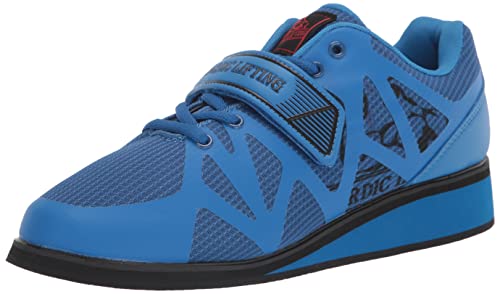
Nordic Lifting offers weightlifting shoes engineered to enhance lifting performance. The design emphasises stability and ergonomic comfort to support comprehensive workouts, including CrossFit and standard weightlifting sessions. Built to endure heavy stress, these shoes are suited to long training cycles where consistency matters. They provide a balanced platform for squats and deadlifts, helping athletes maintain proper form under load.
CASTIRON LIFT Weightlifting Shoes

The CASTIRON LIFT model prioritises safety and stability. With a durable rubber outsole and a raised heel, the shoe anchors securely for high-intensity sets. A double nylon Velcro strap delivers a firm fit, while the breathable microfibre upper promotes comfort during extended sessions. The combination of stability-focused features supports posture, grip and power transfer in heavy lifting and squats.
CORE Weightlifting Shoes

CORE weightlifting shoes emphasise stability with a high heel and anti-slip midsole. The 3 cm heel aids squat depth and posture, while a Velcro closure helps secure the foot during heavy lifts. The design aims to support safe, efficient force production, making them a solid option for powerlifters seeking predictable stability across sessions and competitions.
kcross Deadlift Shoes

kcross focuses on durability and grip for deadlifting. Its TPU sole provides enhanced support and stability, while a distinctive honeycomb rubber outsole delivers solid traction. Made with eco-conscious materials, these shoes appeal to lifters who value sustainability alongside performance, aiding heavier pulls and steady footing.
ForceRoute Weightlifting Shoes

ForceRoute pairs breathable uppers with a weightlifting squat design and a three-dimensional grip sole. The shoe prioritises a secure, comfortable fit with elastic features and a double-strap system, aiming to minimise foot movement while maximizing power transfer. It suits lifters who value a lightweight feel without compromising stability during sets.
Buying Guide: Key Considerations For Choosing Powerlifting Shoes
- Heel height and stability: Higher heels can improve squat depth and torso position, while a stable base reduces energy loss in transitions between lifts.
- Outsole grip and sole rigidity: A non-slip, firm sole supports safe foot placement and consistent force transfer during heavy lifts.
- Upper material and breathability: Durable uppers with good ventilation help keep feet comfortable during long sessions.
- Fit and securing system: Velcro straps or lacing should provide a snug, secure fit; a compromised fit can transfer energy away from the lift.
- Durability and maintenance: Look for reinforced stitching and materials designed to withstand frequent, intense training.
- Versatility vs. specificity: Some shoes excel in squats and deadlifts; others offer broader training suitability. Consider your training mix and competition rules.
- Foot type and width: If you have wider feet or unique arches, ensure the model accommodates your foot shape to avoid discomfort or instability.
- Budget and longevity: A slightly higher upfront cost may yield longer service life and better return on investment for serious lifters.
In selecting powerlifting footwear, athletes should prioritize stability, grip and a secure fit that supports proper lifting mechanics. The options listed here provide varied heel heights, materials and securing systems to suit different preferences, training plans and competition requirements. Always try to assess fit with socks and during light warm-up before committing to a full lifting session.